
Real Working Caregiver Stories
Actual working caregivers share their stories.
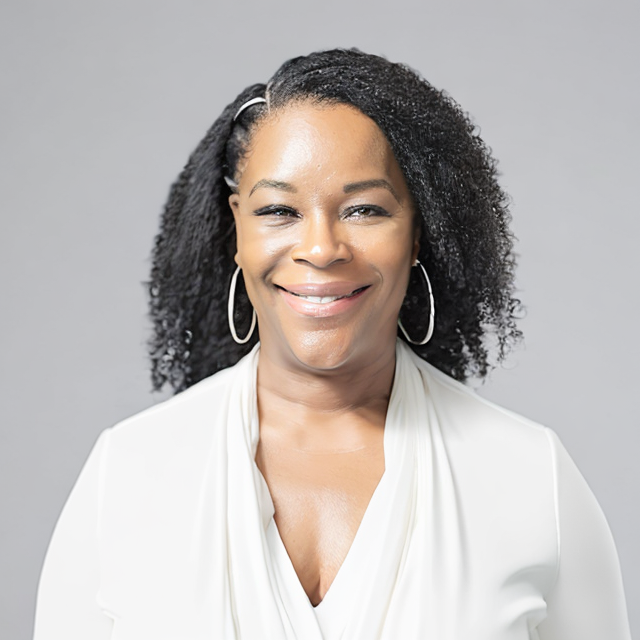
Real Stories From Real Working Caregivers: Tiffany Matthews
Zack Demopoulos: Good morning, good afternoon, good evening from wherever and whenever you are checking us out. Thank you for being here. This is Stories from Real Working Caregivers. I'm Zack Demopoulos.
Selma Archer I'm Selma Archer.
Zack Demopoulos: Hey, Selma, how are you?
Selma Archer: I'm great, and I'm excited about our guest today, Tiffany Matthews. She has such an intriguing caregiver story that we wanted to have her on to share with our guests. So, welcome, Tiffany!
Tiffany Matthews: Hi, thank you both for having me, I appreciate it.
Zack Demopoulos: Hi, Tiffany.
Selma Archer: So let's just get started and get into it. I know that you started your caregiver journey with your experience with your grandmother. Can you share your story with us?
Tiffany Matthews: Sure. My grandmother, of course, has that positive connotation. I loved her. I watched her when I was growing up. She was so strong, and stoic, and all of those wonderful things. But when it came to her end-of-life experience, her final chapter, it was marred with grief and healthcare issues and caregiving issues.
And I just was out of town, I moved away from home, and I was about 250 miles away, and I had to watch what was happening to my mother over time. Just like my grandmother was stoic, my mother is very stoic, non-emotional kind of thing. And my mother began to break under the weight of caregiving. She really did. Watching my grandmother's final chapter and my mother's collapse under caregiving was extremely painful for me. It changed me fundamentally. And I've just wanted more for caregivers, more for patients, and I just tried to find a way to make that happen. I don't want anyone going through what we did at my grandmother's end-of-life. There was actually a doctor that came over while we were in a prayer circle and did exactly what I'm about to show you. “Okay! So what are we going to do? Pull the plug, or hospice? What are we doing?”
Selma Archer: Oh my gosh!
Tiffany Matthews: So when I thought about that, I know I must have reached for that doctor or something because I blacked out for like three seconds. I just remember coming back, and my uncle had a good hold of me, and I'm not sure why. But for you [the doctor] … to come over and interrupt that moment with the business of healthcare was tragic to me. Healthcare, a lot of times, is worried about how they're going to get paid. They're worried about moving one patient out of the bed so a sicker patient can come in and take it, so they get more money for treatments. This is why things like discharge plans go awry, because some people aren't ready to leave, and that was one of our issues. I had to call the social worker and stand in for my grandmother, because my mother had called me and said, “I'm going to jump out of the first window that I see.”
So for someone to go from Stoic to, Oh my goodness! That fundamentally changes you, and… I just asked, “Why is caregiving so hard?” You're only trying to do something loving and noble. And I can't understand why the outside world doesn't understand that when everyone goes through it. I don't care who you love, who you worship, how much money you have, where you live. All of those kinds of things don't matter when it comes to caregiving. If you happen to love someone out there, there's a chance you'll be a caregiver. So I try to promote people being ready for this stage of life, versus trying to scramble and get ready for it later.
Selma Archer I'm guessing that experience with your grandmother was a great influence in terms of you becoming a patient advocate in the work that you do now. Was that the trigger for you to get into this work?
Tiffany Matthews: Well… I have a dual bachelor's in social work and psychology from the University at Buffalo, and I have a master's degree in journalism from Temple. So, all of that stuff kind of just came together, the writing, the psychology of learning how people act and react to things. And just having worked with so many caregivers that walked in the hospital, or nursing home, or wherever, whatever facility I was working at, and said, well, had we only known that, we would have done that differently. Or, had we had this resource, our whole lives could have been more manageable. And I got tired of hearing that. And I got also tired of being the social worker in the hospital that wasn't able to share absolutely everything that could be done. So, that’s how healthcare works, profits, different things like that that they're concerned about, but I knew I had to help, especially after Gram died. I was so upset with how the system treated her and watching my mother collapse, it was really tough. So I kind of just channeled it into this, and we'll talk about it more in a bit.
Selma Archer: Thank you for sharing that.
Zack Demopoulos: So thank you, first of all, for being a social worker. Those are overwhelming, under gratifying, underpaid jobs. I mean, I can't say enough about social workers. I spent 13 years in home care, and I got the pleasure and honor of meeting quite a few, especially in hospital systems. How long were you in a hospital system as a social worker?
Tiffany Matthews: For a couple of years, I was there, and then when I had a chance to move to HR and internal communications, I moved there with my journalism degree. So I used the first degree to get in, the second one to stay. And then, I moved back to Philadelphia. I have a lot of travel in my background.
Zack Demopoulos: Right. So, on a personal note, as well as a professional note, you've seen quite a bit in terms of caregivers and what they get challenged with. You mentioned discharge planning, and how that could be shortcutted, and competition for beds, and things like that. What would you say are the top three challenges, if caregivers are watching this to give them a warning about? What should they expect in terms of trying to get benefits from the healthcare system?
Tiffany Matthews: One, I think a lot of caregivers don't exactly know what they want and need. They just know they want to get their loved one out of this situation, and they want to get out of this situation. So, you're kind of thinking all over the place, especially when a crisis happens. You're all over the place. What am I going to do with work? What am I going to do with the kids?... First thing you have to do is breathe, because it's going to be a lot of information. That's something you have to accept. It's going to be a lot of information coming at you quickly from a lot of different sources. It's going to be up to you to piece it all together for your loved one. So make sure you know the things that you need to know. When you're going into the healthcare system, why are you going in? Why does this patient need care? Is it an exacerbation of an illness? Is it an accident, injury? Those kinds of things. Because healthcare is going to look to you for a lot of answers.
However, more caregivers need to be included on the care team when it comes to making decisions, when it comes to communication from providers. Just because you communicated with the patient doesn't mean that the caregiver's going to get that information accurately. It doesn't. You need to communicate directly with them. And that's something that I believe that hospitals and facilities need to do more, so there needs to be more inclusion.
Another challenge is actual communication. You're going to have to know what you want, and you're going to have to speak in a way that they understand, and that makes them move. Now, I'm not going to lie. I've been in the healthcare system. And there are people there that don't want to do the full scope of their job. It's true. If you can get away with 60%, that will be what happens. But in that, caregivers fall through the cracks. They are going to have to be the ones to come in with the questions. Okay, you're telling us that it's time to go from the hospital. But it needs to be safe. Discharge plan. So, know that it must be safe for the patient that's going home. You can't discharge someone to a home that has no floor. Or no ceiling. Or no food. You can't do that. And many caregivers don't know that information. So the challenge is getting all that information, deciphering it, and then getting the information you need to work on behalf of your loved one.
Another challenge, speaking the language. Make sure you speak it, and you're clear and concise about what you want to communicate. It is extremely important to connect with the providers. And another challenge, I think, is just going to be the pure overwhelm of it all. It's going to be overwhelming. Again, there will be a lot of people coming to you with a lot of information that you will have to decipher and make quick decisions about. That will not be easy, but you will have to know everything that needs to happen, which means you will have to talk to the patient, your loved one. What do they want and need, or desire? Do they have the capacity and the competency to make those decisions? If not, then it's the caregiver who will make all decisions.
So, these are things that you have to know. You have to be familiar with your circumstances and get educated. Learn the tools… the communication that's effective for providers. Documenting your care so that you know what's happening at all times. It's a lot. I don't know if I could just narrow it to three. There's so many things.
Zack Demopoulos: No, no, that's okay. Your advocacy right now is being felt, Tiffany. Thank you so much. On behalf of the 63 million caregivers in our country, we need more advocates like you to explain that this is overwhelming, and you do need help with it, but you definitely gotta communicate, and thank you. Thanks for sharing that.
Tiffany Matthews: Absolutely. There's so much, because they need so much support. Most hospitals and health systems have programming, something to address family caregivers. Go in and ask them what it is. Let them know you need help from the door! Let them know you need help, and repeat it as many times as you need to. I'm at home taking care of her alone. I need help. What can happen? It's going to be a matter of eligibility things, it's going to be a matter of income things, but still, find out what resources are out there to help you. It's tough, and caregivers are the engine of the car that they're running. If the engine doesn't work, what happens to the car? Nothing.
Selma Archer: Let's shift for a minute and talk about caregiving in terms of the impact on the employer. You talk about something called a caregiver effect. Can you share what you mean by that, and then why employers should be concerned?
Tiffany Matthews: Well, the caregiver effect is a concept that I came up with, because caregiving is extremely emotional. That's how employers see it. They see it, it's personal… that's a problem they have. If they need days off, we've got a great platform to help them. That's great. But it's not. Caregiving isn't just a personal problem. In business, it's a retention, revenue, time, attendance and presenteeism problem. Presenteeism is when you're at work but you're really not there. You're thinking of a bunch of other different things.
Like I said, time and attendance, absenteeism, coming in late, leaving early, safety issues, exhaustion, burnout. All of these business drivers are affected by caregiving. But I don't think that a lot of businesses are making the full connection of what's going on. They may have an initiative for retention and another initiative for burnout, but if you're not treating the root cause, which if Harvard is correct, 73% of caregivers, I mean employees that they surveyed reported caregiving duties. Those are your moms, your dads, kids, grandkids, friends, neighbors. It's everybody. If employers hope to remain successful, they have to address those drivers. They have to address them under the umbrella of caregiving and look at those drivers in a new way. If you're going to get revenue back, and time back, and productivity back, you have to take care of those very people that are helping you lose it.
It's not their fault. Caregiving happens. There's 63 million caregivers. I know the track that they go down. It's not easy. There's grief every day, emotions every day they bring to work. So why wouldn't you help them? It's only going to make the business look good, caregivers look good, and they become advocates for you. That's why I'm trying to bring the caregiver effect to the healthcare system, to different hospitals and nursing facilities, and find out what their caregiver strategies are. Now, benefits and resources and programs are great, but unless there's a cohesive strategy bringing them all together, how do you know how it's affecting your retention? How do you know how it's affecting time, attendance, productivity, all of those things we talked about? If you don't measure it, you don't know. So the caregiver effect, its actual definition is the ripple effect in an organization when caregiving, work, and healthcare collide. And that ripple effect is all those things that I listed.
Zack Demopoulos: And that's very real, because you said 73% of employees are caregiving, and that is a big number. You created something else called PACE, which is Patient Advocacy and Caregiver Empowerment, so tell us a little bit about that, and how does that work with the caregiver effect?
Tiffany Matthews: Well, PACE is the home of the caregiver effect. PACE is the business itself. And, yes, it's patient advocacy and caregiver empowerment, and I wanted to have a name that was exactly what I did. That's exactly what I do. In helping caregivers, you do help patients. You can help them improve patient care, help them navigate the system, and help them become better advocates while getting healthcare. That's what I aim to do. But I want to go through organizations to do it, there'll be no charge to the caregiver. They already spend almost $10,000 more money that they don't have in caregiving, and too, I wanted to help them en masse.
So going to organizations that were poised to help them, like employers, like more of the healthcare system, was my goal. Again, it was huge for me not to charge the caregivers a dime. I wanted to make sure these organizations were taking a stand where they were concerned. And caregiving, work, and healthcare are permanent social constructs. They're not going anywhere. So why wouldn't you have an actual strategy to go forward with it?
Zack Demopoulos: When you were helping your mom, who was helping your grandma? And when you were seeing the collapse of your mom, you were working at the time, correct? Where were you going for help?
Tiffany Matthews: I was working in a hospital at the time. So it's really great. I had just left the discharge planning position and went into HR, into internal communications. But knowing I could run up to those floors and ask the doctor, well, what did the other doctor mean by this? What does that mean? And some of them were really, really gentle with me, and were like It's not good. And I needed that. I needed for things to be real for me so I could deal with it. And having those connections, having those people that you can lean on for their knowledge and their support. I called this one doctor at 9 o'clock at night. The poor man had just pulled in his driveway after a long day, and I'm besieging him with questions.
I really was extremely fortunate, and I'm so grateful that I had those people there to help me, even just to hear me cry about things because we all knew it was end-of-life, we didn't want to face it. But the more that I would talk about it, they would help me face it. I have that and I have great, great friends. Oh my goodness, I'm so blessed to have great friends. I have a really good support network.
Selma Archer: That's critical.… When you go into a company and talk to some of the senior leaders, what are they already doing right in terms of supporting caregivers, and what can they do better?
Tiffany Matthews: Well, I think, the best thing is that they have the desire to do it. That a lot of them are beginning to recognize, wait a minute, this is a real problem. And we've kind of pieced it together before like I said… burnout, retention, and revenue loss. Now, they're beginning to see it's under one umbrella versus all these different things. That's a good thing. Healthcare is required to engage caregivers, families, and patients. So, what I see healthcare doing is coming up with different programs, resources in the area, a lot of referrals to the area agencies on aging. That's what a social worker would do. As far as really getting in getting your hands dirty, there's only but so far you can go, because your job is to get them out of the hospital. So you have to do what you have to do to make that happen.
I think a lot of times, healthcare may rely on people not knowing things. And sometimes it's easier for the job, and I'm just being honest. I'm being real and honest. As caregivers, you must go in there with your questions and immediately want to engage. Say who you are, what you expect, how you expect to be communicated with. And that you are the caregiver for this person. Let them know you must be engaged in this. And if you have to get the patient's approval on that, so be it. You can do that immediately. But caregivers have to take a stand because while I don't defend only doing part of your job in healthcare, I can understand why it happens. You have a lot to do.
Social workers are totally overwhelmed. That's why they have teams of them. They don't have just one or two. They have full teams, because it's needed. One person can be 30% of your day. So, a lot of times, things are missed. They're forgotten. We're human. It happens. I forgot somebody's oxygen tank, for God's sake, one time. The one thing they really needed over everything. I ran and got one and then I ran it to the ambulance myself…See, I don't mind saying I'm human, I forget and I do things wrong, but I'm going to fix it… I ran down there in my high-heeled boots 10 floors down to get to that ambulance with that oxygen tank.
Zack Demopoulos: I'm picturing that right now. I can see you doing that, Tiffany. You got energy, you got passion. Can you walk us through your picture 10 years from now? What do you hope to accomplish in terms of change when it comes to caregiving for both caregivers and employers?
Tiffany Matthews: My whole thing, and one of my taglines, is support the caregiver, change the system. My whole goal from when my grandmother passed away was to change the system. I love how God, with all the things that I wanted to do and thought about doing and tried to do, that He brought me full circle to something where I can actually go in and change the system. I want these healthcare facilities and employers to have cohesive strategies. When a woman walks in to her HR manager and says, okay, I'm caring for my mother now. I want there to be a written policy and process for exactly what happens. That way, you don't have to think about it. That way, you don't have to come up with things on the fly to say and do. You already have it.
Now, a lot of places have great resources, great programs, and platforms, but are they coming together to meet the business goals that you have in mind, keep a higher retention rate, lower turnover, more recovered revenue? Are we decreasing absenteeism and presenteeism? Are we doing those things? Other than that, you're kind of throwing things at a wall. Spaghetti at a wall and hoping it'll stick. It doesn't. It won't. You need a strategy, not just things that you can say, okay, well, we got this benefit we addressed it. No, it's not that way. Caregiving is so holistic. You are taking care of an entire other human being. It's so holistic that there's so many aspects to figure out, legal, medical, all kinds of different things. Caregivers need all kinds of help, and there's so many of us out here trying to do it that there's room for us all. So, 10 years from now, I'm hoping PACE and the caregiver effect is in every hospital, every nursing facility, every area agency on aging. Wherever I can touch caregivers, I want to help you because I saw it happen. I saw it and I don't want that for another person ever.
Zack Demopoulos: As my dad always said, take your time and hurry up, Tiffany, because we need it.
Tiffany Matthews: Well, my dad said all the time, take your time and hurry up. Hurry up and wait!
Selma Archer: One last question, Tiffany, and then we'll let you go. How can people find you and learn more about this amazing work that you do because I know they're going to want to. You speak so passionately and we've learned so much from you today
Tiffany Matthews: Thank you so much. First of all, and again, thank you for having me. I'm so passionate because it hurt to watch that. It hurt me very badly, and I felt so helpless, and I couldn't do anything. It wasn't until I advocated for my grandmother that I was like, okay, I was able to do something. But then I thought about it. How many other people need help? Solo elders out here. How many of them need help? How many people don't really know the healthcare system inside and out? Maybe you know one or the other. It helps if you know both because you can tell them on that end what's going to happen, and on this end as you know personally, you can tell them.
My daughter has two rare spine diseases. It took us 18 years to figure that out. We were treating symptoms the whole time, but we had to keep pushing and we did, and we found out that she has not one, of course but two rare spinal conditions. Joining support groups helps, finding information from reputable sources helps, so that is something else that caregivers can do.
Selma Archer: You have a website, and people can contact you?
Tiffany Matthews: Absolutely. My website is PaceLovesCaregivers.com. Again, PaceLovesCaregivers. It's a little bit under construction right now with some new stuff I'm putting up, but please go there and read through it. You may not like the design that much since I'm reconstructing it, but the content is there. You can read all about how I'm trying to get into these organizations and make things better for you guys, you caregivers and the patients as well. Patient advocacy is close to my heart too.
Selma Archer: Well, thank you so much. It's been great spending some time with you and getting to know your work. Thank you for coming.
Tiffany Matthews: Absolutely. I'm happy to do it. I'm glad I finally showed up. And you two are great people. I love your messaging as well. I hope we can talk again and do this again soon. Maybe in National Caregivers Month.
Zack Demopoulos: Perhaps, perhaps, but be sure to check out Tiffany. She's doing really some pretty cool stuff, and her LinkedIn is pretty active, so be sure to check with her. We'll put that in the show notes. We'll put your website in the LinkedIn connection. Tiffany, thank you so much for taking time to be with us, and thank you for all that you're doing.
Tiffany Matthews: Oh, I appreciate that so much. Thank you both. Thank you for your patience and your kindness, and I'm happy to be here anytime.
Tiffany Matthews is the founder of PACE (Patient Advocacy & Caregiver Empowerment), where she works to strengthen the connection between caregiving, work, and healthcare. With a background in social work dating back to 1995 and healthcare experience beginning in 1998, Tiffany brings decades of experience and a deeply personal understanding of the challenges families face while navigating care. Inspired by watching her mother carry the weight of caregiving and by her family's own healthcare experiences, Tiffany created PACE to help organizations recognize, educate, and better support family caregivers. She is also the creator of The Caregiver Effect™ and the driving force behind Elnora's Place™, a caregiver-centered education and community initiative designed to help families become more informed, confident, and empowered healthcare partners. Tiffany's mission is simple: support the caregiver, change the system.