
Global Caregiving: How Culture Shapes the Way We Care
Caregiving is one of those life experiences that transcends geographic borders, languages, and cultures. Though the responsibilities of caregiving are often similar, the expectations, available resources, and cultural values vary widely from one country to another. Yet, millions of people around the globe step into family caregiving roles every day. Understanding these differences helps us appreciate and learn from the diverse ways societies and families support their loved ones, and emphasizes the universal compassion that connects us all – one caregiver story to another.

Steering the Company While Overseeing the Care Team:Caregivers in the C-Suite
The caregiving journey does not bypass the C-Suite. As the population of working caregivers in this country continues to rise (63 million), so does the number of business leaders who find themselves steering large organizations while caring for a loved one. These executives are retelling the narrative around leadership – one that combines high-level business responsibility with intricately personal caregiving duties.
In this blog, we delve into how some CEOs have faced the crossroads between their roles as business leaders and caring for family loved ones, and the personal choices they made. Let's look at the profiles of some of these CEOs, and their unwavering commitments around the importance of navigating through their care journeys while maintaining personal values, empathy and “family first” perspectives.

The Invisible Workforce: Why Caregiving Still Doesn’t “Show Up” at Work
The first step toward solving any problem is acknowledging it exists. Caregiving may not appear on a claim line, but its effects show up everywhere: in exhausted employees, missed opportunities, emotional strain, and workforce attrition. Behind many silently struggling employees is a caregiving story no one knows about.
The organizations that thrive in the future will be the ones willing to recognize the invisible workforce already sitting inside their offices, logging into meetings, and doing their best to balance work and care. Because when caregivers are supported, everyone benefits: families, businesses, and communities alike.

Another Type of Caregiver Support: Helping Employees Experience the Moments That Matter Most
When organizations talk about supporting working caregivers, the conversation often centers on strategies to reduce absenteeism and preserve productivity, employee engagement, and retention. Those are important business considerations. But there is another question that deserves equal attention:
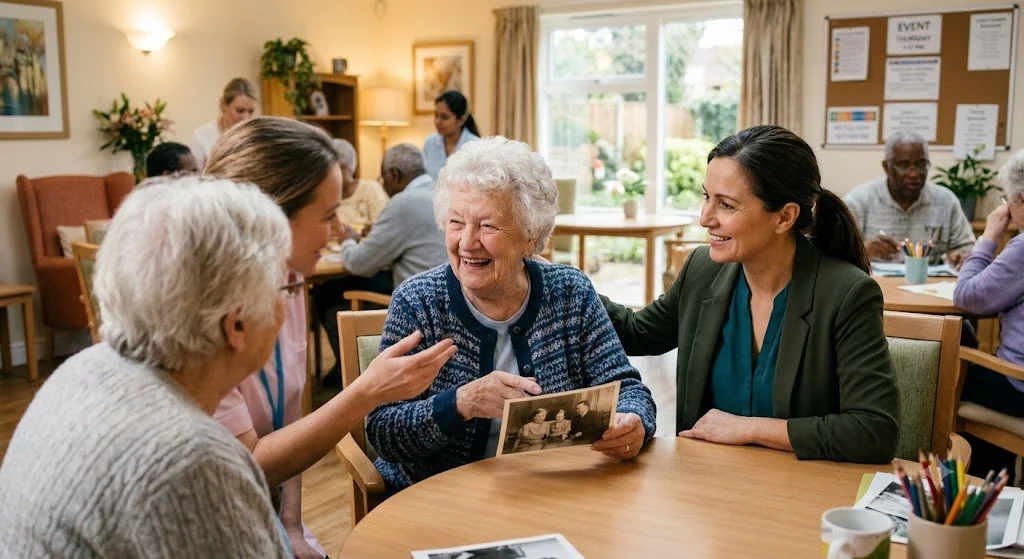
Adult Day Care Centers: An Overlooked Resource for Caregivers and Families
Although most people are familiar with childcare centers, far fewer realize that similar structured environments exist for older and disabled adults as well. Adult day care centers remain one of the most underutilized yet impactful resources available to family caregivers. These centers provide essential care for participants and critical relief and support for caregivers struggling with work, family, and emotional well-being.
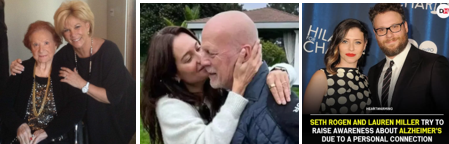
When Celebrities Care: Shining the Spotlight On The Realities of Caregiving
When well-known people speak openly about caregiving, they do more than tell personal stories. They encourage momentum. They invite employers to rethink workplace policies, inspire policymakers to act, and remind caregivers everywhere that they are not alone. Although frequently viewed as a private journey, caregiving spans every walk of life, including some of the most recognizable faces in entertainment, media, and business. Behind the headlines and public personas, many celebrities have navigated the complexities of loved ones facing illness, disability, or aging. Below, we touch on the care journeys of some of these individuals.

Support for Working Caregivers Matters: Employers Doing It Right
For working caregivers, employer support can mean the difference between staying engaged at work and stepping away altogether. While caregiving expands to affect millions of employees across industries, some employers have stepped up to implement meaningful, practical support programs that allow caregivers to be successful both at work and in their personal lives. These employers understand that when caregivers are supported, everyone benefits.
Here are some examples of organizations that are widely recognized for “doing it right” – joining thoughtful policies with a culture that recognizes caregiving as a normal part of work-life.
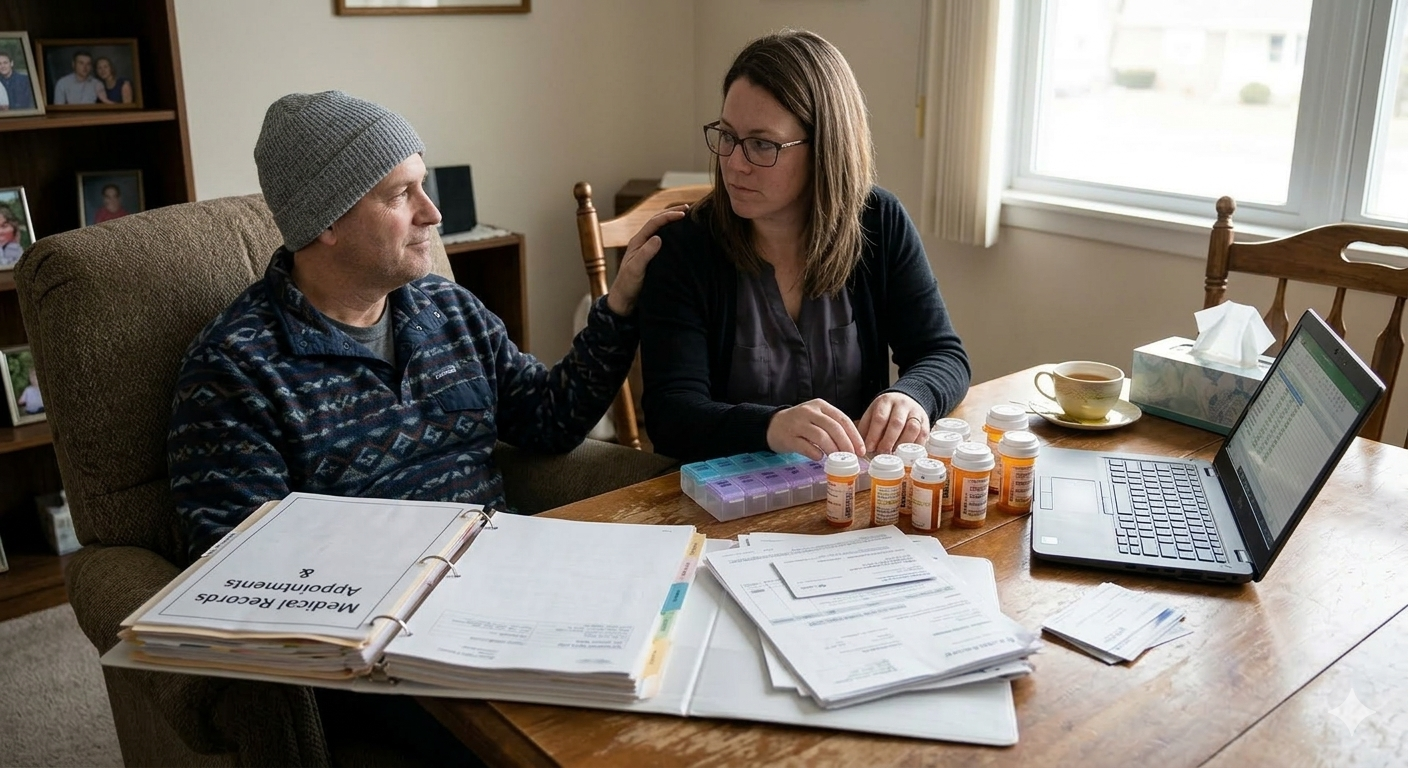
Cancer Caregivers: The Unique Reality of Caring for a Loved One with Cancer
Family caregivers are the invisible backbone of cancer care in the United States. Behind every diagnosis is often a spouse, adult child, sibling, or close friend who steps into a demanding role of coordinating appointments, managing medications, providing emotional support, and advocating within complex healthcare systems. While caregiving is challenging across conditions, caring for someone with cancer presents a distinct and often more intense set of responsibilities.
Cancer caregiving is rarely linear. It is episodic, unpredictable, and emotionally charged, shaped by treatment cycles (i.e. chemotherapy, radiation), side effects, remission periods, and, in some cases, end‑of‑life decisions. For family caregivers, the role requires not only compassion but stamina, adaptability, and resilience.
The Value of HR: A Human-Centered Approach for Working Caregivers
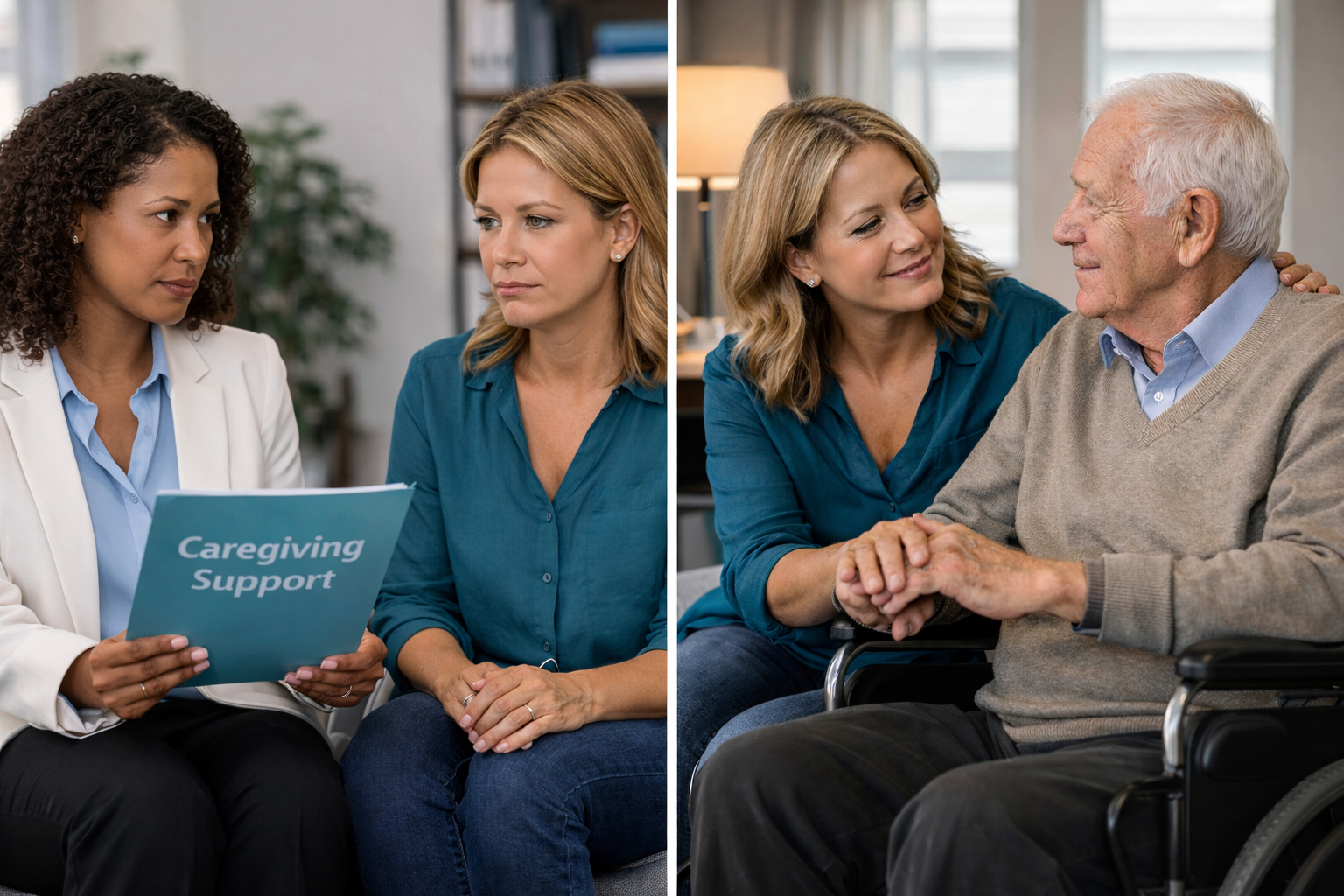
When HR works well, you can feel it. Employees feel seen. Managers feel supported. And organizations feel steadier, even in moments of disruption. That human-centered philosophy sits at the heart of modern HR leadership. It aligns closely with the approach championed by our podcast guest, Claude Silver, whose work reminds us that people are not resources to be managed, but humans to be supported.
Nowhere is this more evident than in how organizations support working caregivers—employees who care for aging parents, partners, children with disabilities, or loved ones with chronic illness while trying to stay productive at work.
HR’s Real Value: Translating Humanity Into Business Practice
At its best, HR serves as the bridge between organizational goals and human reality. While business leaders focus on growth, performance, and results, HR translates those priorities into policies, benefits, and cultures that allow people to succeed.
For working caregivers, this translation is critical. Caregiving rarely fits neatly into a 9-to-5 schedule. Medical emergencies, school calls, and care coordination don’t respect calendar invites. HR’s value lies in recognizing this reality and designing systems that move with it.

Family Pets – Forgotten Members of the Care Team
Introduction
Vivien and her best friend, Sadie, sat on her living room sofa as they settled in for an evening of watching their favorite TV shows. Suddenly, Vivien’s 80-year-old bones felt a chill from the brisk wind that seeped through the window closest to them. Vivien turned to her friend and said softly, “It’s getting cold, Sadie. Be a dear and go bring me my sweater from the bed.” Without hesitation, Sadie got up from the couch and hurried into the bedroom. Within seconds, she returned with Vivien’s sweater. Nothing unusual here, right? Perhaps a bit more impressive when we consider that Sadie is a 5-year-old border collie that Vivien rescued from the local shelter.
The Issues
You may be wondering what this story about an elderly woman and her dog has to do with caregiving. The short answer – a lot. Now let’s look at the long answer. Much more than just companions, for many elderly adults, pets are their lifelines, helping them battle anxiety, loneliness, and physical decline. Research indicates that pet ownership among seniors is clinically significant, as it helps lower blood pressure, reduce depression, and increase physical activity.
How to Choose a Home Care Agency Without Adding More Stress to the Caregiver
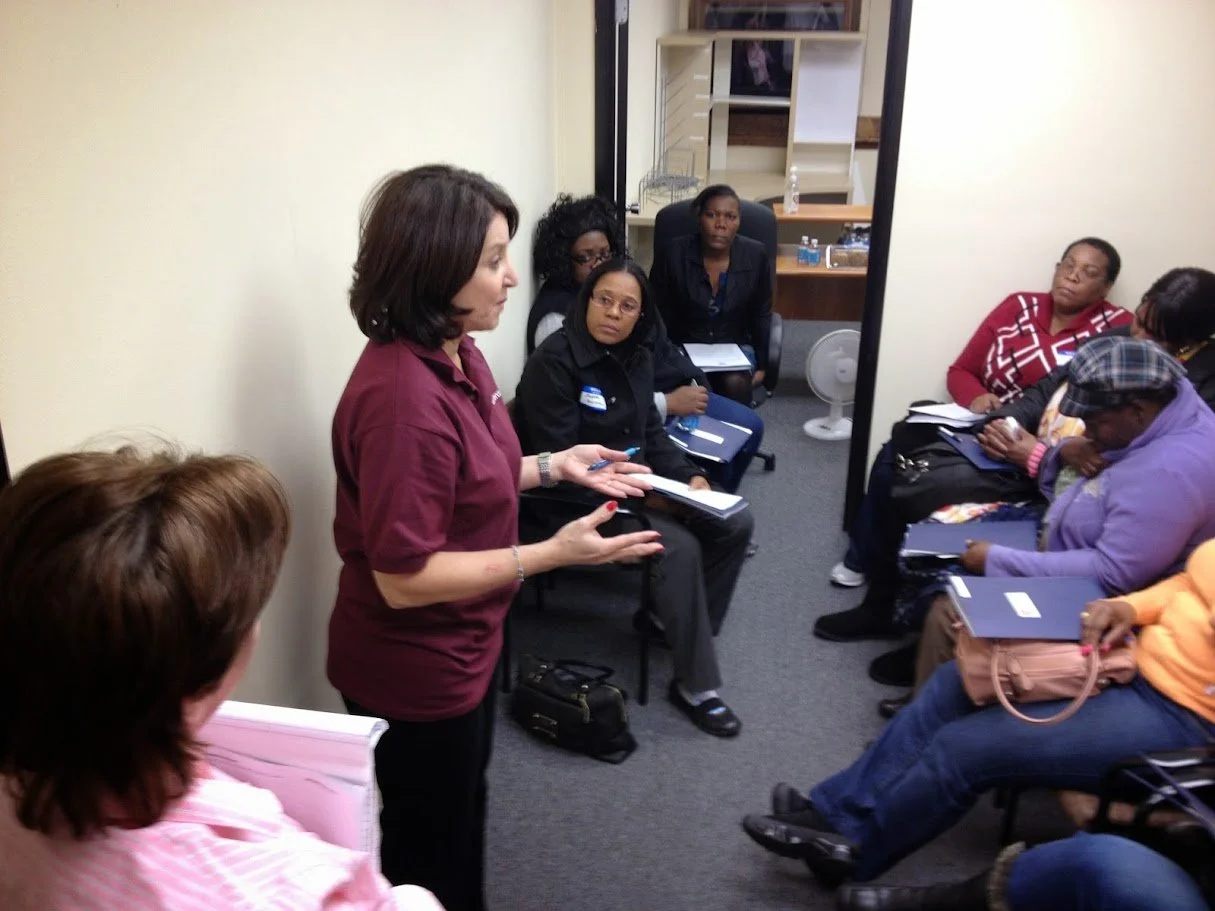
In December of 2006, I was already stressed out. I was in the biggest job of my career as an HR executive, supporting a completely new and different client group, and the learning curve was steep. Working long hours, commuting almost two hours a day to and from work, and having many openings on my team, I was stressed out. Then I received the phone call…..
The Situation
…my father had a stroke, and I had to jump on a plane immediately to support my mother caring for him. Not knowing anything about caregiving, I was struggling to figure out a way to get my father back home safely. I knew nothing would be the same—his speech and his ability to stand and walk independently had been severely impaired.
Why Hospital-to-Home Transitions Matter: A Critical Moment for Patients, Families, and Employers by Zack Demopoulos
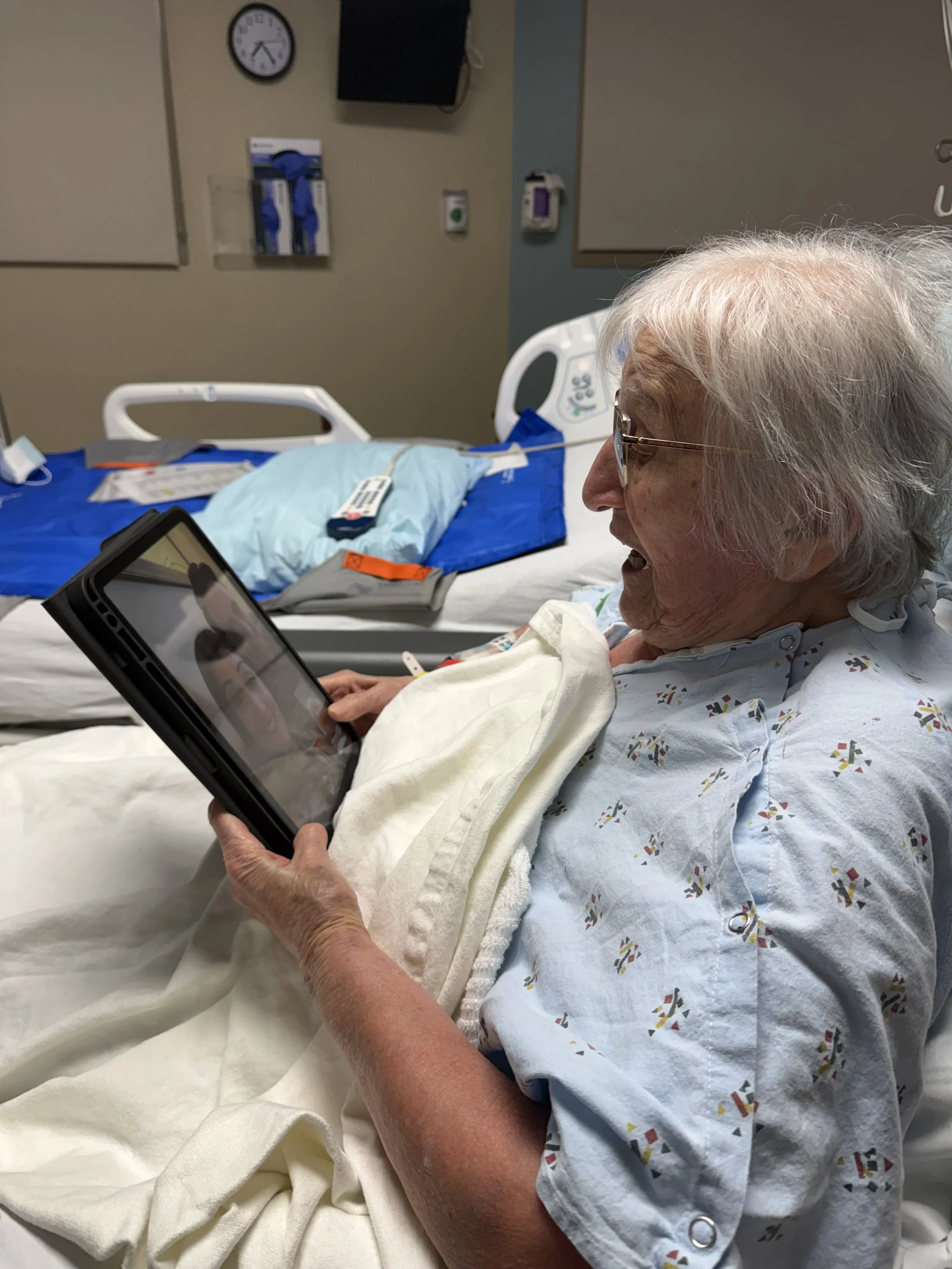
One of the hardest parts of being a long-distance caregiver like I am for my mother, who is over 600 miles away, is hospitalizations. My mom is 96 years old, hard of hearing (even with hearing aids), and English is her second language. For these reasons and many others, she always needs an advocate with her when health issues arise. Without proper advocacy, the risk of miscommunications, misdiagnosis, overtreatment, delayed discharge, and less-than-adequate care increases.
A Moment in My Care Journey
As we start into a new year of caregiving, I thought I would share a critical moment from my personal care journey. I already mentioned that I am a long-distance caregiver, right? Well, a week before Christmas, my mother was admitted to the hospital for atrial fibrillation, congestive heart failure, dehydration, and UTI. With the pending holidays, a growing shortage of staff, seasonal flu, and other viral episodes, getting someone on the phone to get status updates or trying to return a call to a physician who left me a message while I was in a meeting was extremely difficult.

End-of-Year Reflections 2025: Giving the Gift of Care
As 2025 comes to a close, the holiday season is an ideal time to reflect on the crucial role that caregivers play in our families, workplaces, and communities. While this time of year is often filled with celebration and generosity, it can also present challenges for the millions of Americans who care for spouses or partners managing long-term conditions, aging parents, chronically ill loved ones, or children with special needs.
Beyond the traditional wrapped packages, many caregivers provide gifts of their time, presence, and emotional support every day, often at the expense of their own well-being. This season is an opportunity to honor those contributions. Whether it’s doing something to lighten a caregiver’s load, a few hours of respite, or a heartfelt note, small gestures can make a significant difference.

Caregiving Youth: The Overlooked Caregivers
Did you know that in the U.S. there are about 5.4 million children and adolescents (ages 10 - 17) who provide some form of unpaid family caregiving to loved ones? They care for their parents, grandparents and other family members suffering from conditions related to aging, disabilities, chronic illnesses, mental health decline and various other ailments. If you didn’t know this, you are not alone. The valuable services this population of caregivers provide often go unrecognized.
National Alliance For Caregiving’s Caregiver Nation Summit 2025
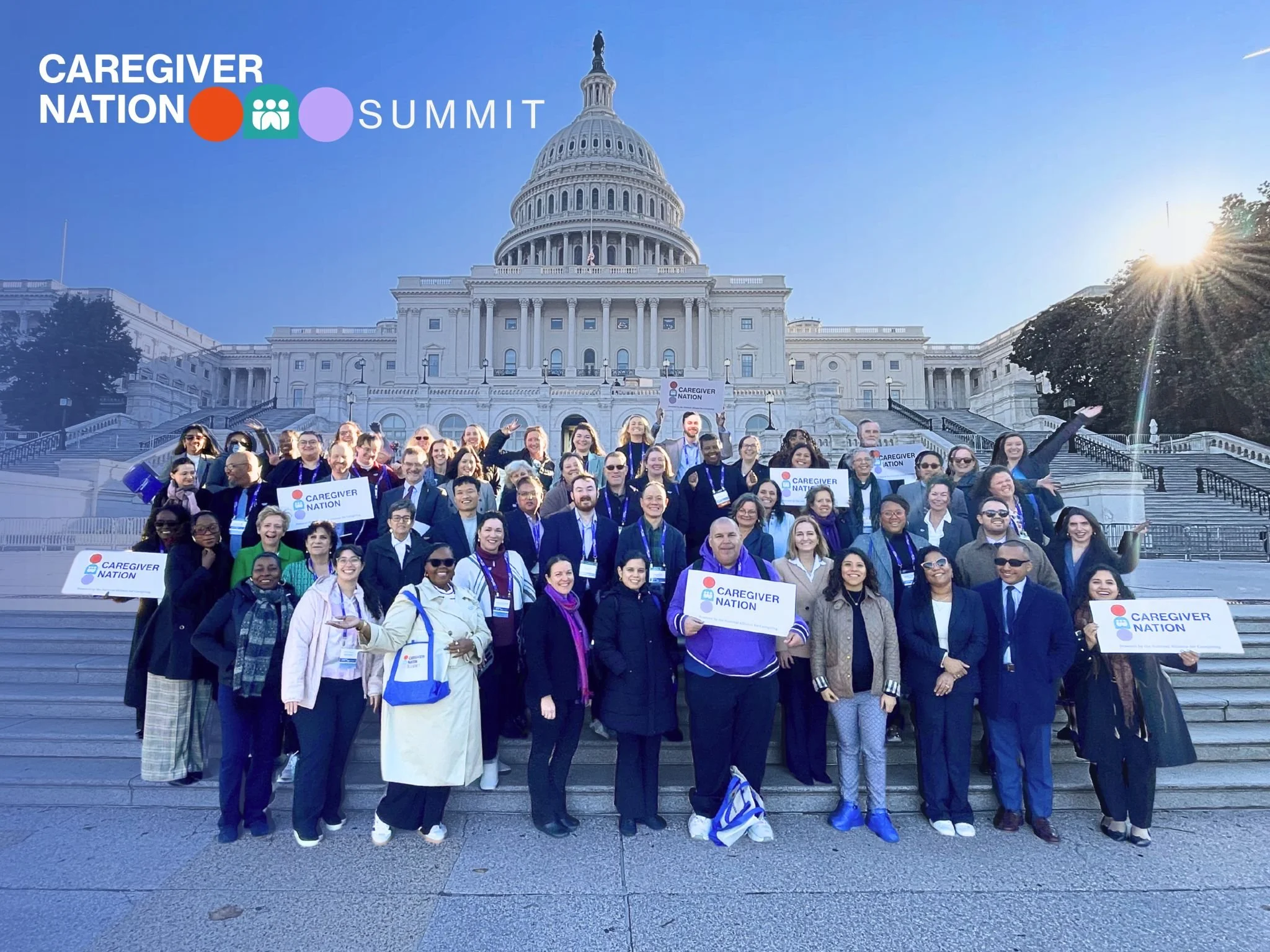
Did you know that November is National Family Caregivers Month? In its honor, we were privileged to participate in the Caregiver Nation Summit 2025 hosted by the National Alliance for Caregiving (NAC). Complete with panel discussions and speeches from C-suite executives, celebrity caregivers, non-celebrity caregivers, and government officials, the Summit informed, inspired, and reframed caregiving from a private burden to a public good. According to the most recent NAC/AARP report, there are currently 63 million family caregivers in the U.S. – nearly 1 in 4 adults. (A 50% increase over the last ten years).

Caring for Our Veterans
Brother Can You Spare a Dollar?
Have you ever been waiting at a stop light at a busy intersection and noticed someone sitting on the curb in a wheelchair holding up a cup and a cardboard sign? The sign said something like, “Disabled Veteran Please Help.” Unfortunately, this scenario is one we see much too frequently, especially in a country traditionally known globally as the “land of milk and honey.” Yet, we are seeing more and more veterans living on the streets of our nation. Many having weathered the battlegrounds of war, now unarmed against the harsh elements of a society that seems to have forgotten them.

The Power of Research: Driving Change in the Caregiving Space and Care Economy
Caregiving Resources: From Limited and Local to Digital and Global
Twenty years ago, caregiving could easily be described as a private and isolating experience. Although unpaid family caregivers comprised a significant portion of the workforce, they largely remained silent and invisible regarding their dual roles of working and caring. Caregiving resources were limited, fragmented, and harder to access. Fast forward to today, and the caregiving landscape appears very different in many ways. Technology, community advocacy, and increasing workplace awareness have helped transform how caregivers find information, care for their loved ones, and support and connect.
In this blog, we compare the caregiving resources that were available 20 years ago to those available today, highlighting improvements and where challenges remain.
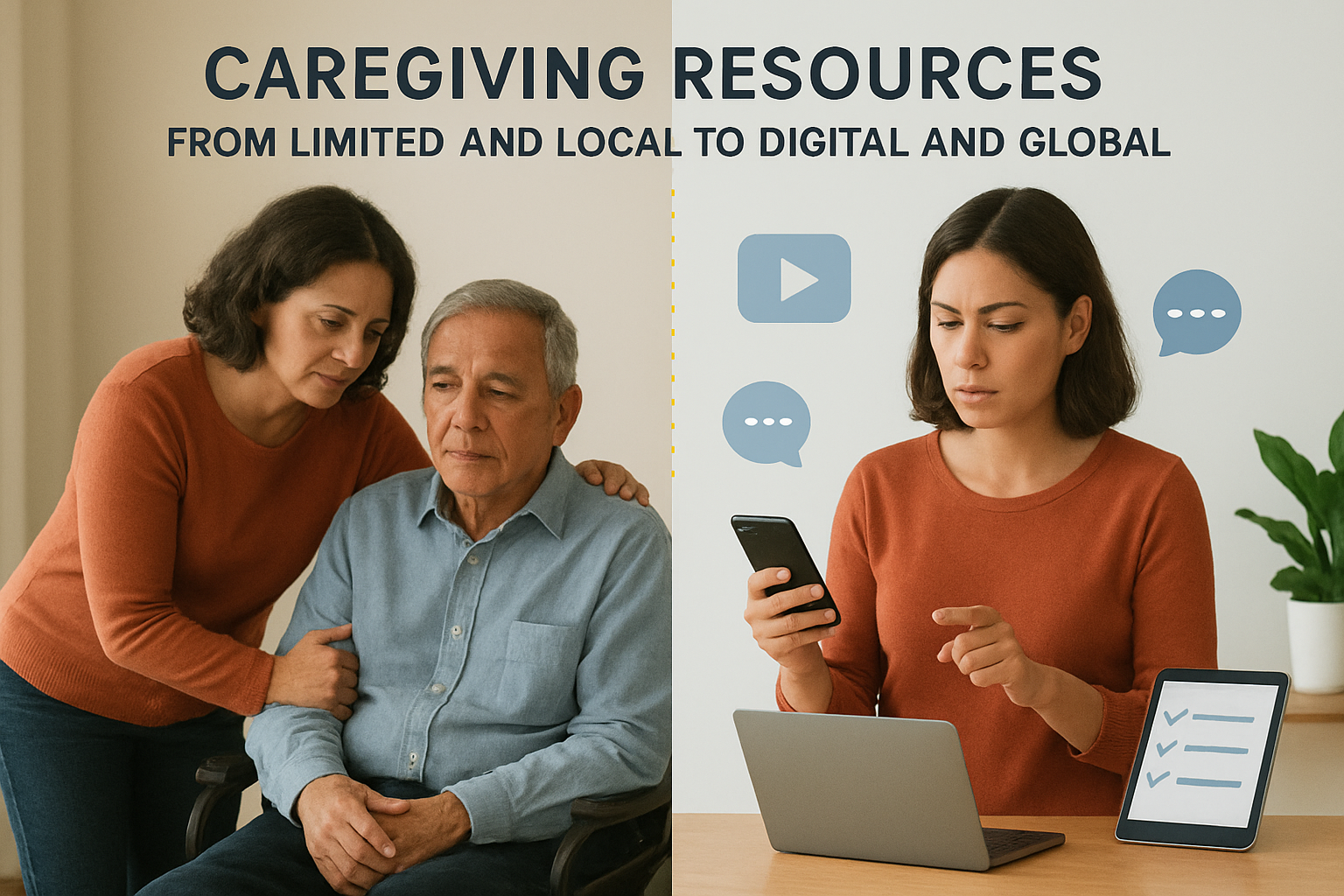
Caregiving Resources: From Limited and Local to Digital and Global (10/14/25)
Caregiving Resources: From Limited and Local to Digital and Global
Twenty years ago, caregiving could easily be described as a private and isolating experience. Although unpaid family caregivers comprised a significant portion of the workforce, they largely remained silent and invisible regarding their dual roles of working and caring. Caregiving resources were limited, fragmented, and harder to access. Fast forward to today, and the caregiving landscape appears very different in many ways. Technology, community advocacy, and increasing workplace awareness have helped transform how caregivers find information, care for their loved ones, and support and connect.
In this blog, we compare the caregiving resources that were available 20 years ago to those available today, highlighting improvements and where challenges remain.

Millennial Caregivers: The Future of the U.S. Care Economy (9/30/25)
Millennial Caregivers: The Future of the U.S. Care Economy
In today’s workforce, the millennial caregiver is often the most underestimated of all the employee segments. Born between 1981 and 1996, these workers are building careers while facing the demands of childcare, eldercare, and financial instability. Did you know that millennials compose the largest employee segment in today’s workforce? The majority of them (54%) admit to moderate or high levels of financial stress. And almost 1 in 2 state that family caregiving has negatively affected their mental health. Employers who are concerned with productivity and retention would do well to understand and help address the challenges this group faces.

Older Women: Unwavering Pillars of the U.S. Care Economy (9/16/25)
Older Women: Unwavering Pillars of the U.S. Care Economy
Okay ladies, this one’s for you! It is no secret that for many generations now, women have taken on the primary responsibility for caregiving roles both in terms of professional caregiving as well as in the area of unpaid family care. In this blog we discuss the critical contributions and the sacrifices women have made and continue to make to ensure the well-being of their loved ones, and their overall impact on the U.S. care economy. Our focus will be directed toward the more senior (or should we say, the more seasoned) population of female caregivers (55 years old and older). Literature from the U.S. Department of Labor makes some powerful statements regarding this group of working caregivers as follows: