
Real Working Caregiver Stories
Actual working caregivers share their stories.
Stories From Real Working Caregivers: Bryce L. Williams
Bryce Williams 5/7/26
Zack: Welcome to another episode of stories from real working caregivers. My name is Zack Demopoulos.
Selma: I'm Selma Archer.
Zack: Hey, Selma, how are you?
Selma: I'm well. How are you, Zack?
Zack: I'm great. I'm really excited to introduce our guest today. I found Bryce on LinkedIn, and I'm really fascinated by his story. He's a young caregiver. And so we've had a few young caregivers at the time. And he's also created a really great offering that we'll be able to share with our audience. So, I want to jump right in. You ready?
Selma: All right.
Zack: We'd like to introduce Bryce Williams. Hello, Bryce.
Bryce: How's it going?
Zack: Good, good. He doesn't want us calling him doctor, but he is a DPT. So, Dr. Williams… Bryce, it's such a pleasure to have you, especially with your experiences and roles…. Everybody can read about your background. We'll have that in the show notes. But why don't we start off with the question about you and your caregiver journey? Tell us how that started and tell us all about it, if you could.
Bryce: Sure, circa 1996, I was a freshman in college, came home from my first semester of school, and my mom casually informed me that she had had surgery because they found a lump on her breast, and they thought it might be cancer. So of course, that's alarming and jarring, but we worked through it. She had surgery, and it was indeed biopsied and determined to be a metastatic cancer. She went through a run of chemo. That seemed to have done the trick for the moment. And every six months, you have to go back for checkups to make sure things are still on the up and up.
And I think somewhere late 1997, in the early 1998, during one of her six-month follow-ups, they found some more spots. It had returned, and it had returned with reinforcements. So she got hit with the big guns as far as chemo and then radiation and so forth. From 1998 to 2000, she was not doing great health-wise. By ‘98, I was already in a physical therapy school. And so I was away most of the time… My parents were divorced. My grandmother was sort of the point person when I was away. And when I'd come home for clinical rotations or for breaks, then I would take over and do the heavy lifting, take her to chemotherapy appointments, medication refills at the pharmacy, you name it. So, pretty much from mid-98 to late 2000, I was a full-time student and taking care of my mom as her health continued to decline. Then I graduated in August of 2000 from physical therapy school, and my mother passed away in November. So just three months later, in fact, I took my board exam. There was a three-week period where everything happened. So I took my board exam. My mom started hospice. She passed away. We had the funeral. I started my first job. That all happened in three and a half weeks. Between November 21st and December 12th, or whatever the day was. It was a whirlwind of an experience and obviously, very traumatic, but I learned a lot, and it informed a lot of how I show up as a physical therapist in the subsequent 26 years.
Zack: What year did your mom pass away?
Bryce: 2000
Zack: So very sorry about the loss of your mother. What was your mother's name?
Bryce: Charlotte.
Zack: Well, we always like to say… I have to say this right, Charlotte was very fortunate to have her mom and you in her life… You are also very fortunate to have somebody like Charlotte, a great influence. I'm sure she was quite proud of you and appreciative of you as well.
Bryce: For sure… My mom was a teacher, so she was very meticulous in planning and all these sorts of things. She knew fairly early on that she was probably not going to survive. And so she quietly started kind of getting her ducks in a row and doing all these things. One of the things that she did was start writing a journal, a handwritten journal. She left the journal with the insurance and the insurance files… I found it when we were obviously looking for the life insurance stuff, and I opened it, and I read the first line, and I had to slam it closed. I was like, I can't read this right now. I need some time to process. I eventually sat down and started reading through it. And even to this day, I'll sometimes go back and read it from time to time just to hear her voice.
Zack: Just one other quick follow-up question. You were, I think I read, you were 18 when you first got this news about your mother's breast cancer.
Bryce: Yeah. I was a month shy of 19, and then I was 22 when she passed away.
Zack: So halfway through that, you're about 20. And I got to tell you, that's pretty young to be in a caregiver role. And whether you're local or not… It's the same thing as far as being a caregiver, especially in the mental, emotional, and financial capacities, right? Maybe physically.
Bryce: Never shuts off.
Zack: So, just one question is, what do you see as a difference between maybe a caregiver like yourself at that time, you were about 20 when you were in the thick of it, and maybe someone a little bit older? What are some of the key differences that you've seen in your experience?
Bryce: Well, for me, I didn't have any frame of reference to which to compare the experience. So, I really didn't know what I didn't know. Whereas I feel like if I were 20 or 30 years older, you may not have gone through that particular thing, but you've been through some stuff by then. Whether it's losing grandparents or friends and accidents or things like that, you've kind of gotten some dirt on your uniform by then, versus being a youngster. I had lost a couple of friends in various tragic ways to that point.
But my mom being terminally ill was the pinnacle of that sort of experience. I really didn't know what I was in while I was in it. It was more retrospective, like, wow, that was crazy! But at the time, you don't really think of it as well, I'm this person's caregiver, I'm doing this, you're just sort of doing stuff because stuff needs to be done that day. I got to go pick up my mom's medication or whatever. I got to go take her to the doctor. You're just doing stuff. You're in a role, per se, until you look back and you're like, I guess I was doing that.
Selma: You were in your teens, you were pursuing a degree in physical therapy, a full-time student, your mom gets diagnosed, and you become a major part of her caregiving. Did that impact your school? I mean, it sounds like you persevered and you still ended up reaching your goal of getting that degree, but what were some of the impacts on your work at school? And did you build a support system? Did you share with any of your fellow students what you were going through with your mom?
Bryce: Yeah, that's a good question. So yes and no. My classmates, we're in a program like that… It's like being in a small family because there are only about 45 of us. So of course, inevitably, you're going to talk about a lot of personal stuff. We are around these people all the time. And so yeah, I did share quite a bit with some of my classmates that I was close with. In fact, several of my classmates, when we started to do clinical rotations, got rotations also in Miami, where they would get placed at a clinic or hospital in the area. And so if we both got placed in Miami, we tried to get together for the couple of months that we're there for our rotations… This is back in the nineties, so cell phones weren't like a big thing. People would call the house, and my mom would answer the phone, and my mom would chat with them, “Hey, how's it going?”
And so I think some of them actually knew kind of the seriousness of it just from chatting with my mom because she was very open to a lot of my friends and stuff. As far as the impact of school and all that, I was very intentional about not allowing what was going on in my personal life to impact what I was doing in school. In fact, I would go out of my way to do that. It's going to impact it, and there's no way around it. But my goal was not to have that be an excuse. If I didn't do as well on an exam that I wanted to do, I didn't study hard enough. Not because I was stressed out because of all this other stuff going on. So, I'm sure it had an impact, but I deliberately tried to compartmentalize.
Selma: How do you think that experience of caring for your mom has changed you as you look back? What do you think are some skill sets that came out of that experience that you use today that maybe you weren't aware that you had?
Bryce: Definitely resilience. That's probably the biggest thing. It's just like stuff happens, you're like, well, this situation is less than ideal, but I got through that other thing, so this is nothing. So I'd say resilience is a big one, but also obviously the nature of my profession, empathy is a big part of that. But when you think empathy in a professional mind, you're thinking more directly of the patient. And oftentimes, the people taking care of them are kind of in the background or forgotten about or an afterthought. And so I think it's given me a little empathy for those people that I think maybe a lot of people in the various medical professions don't really have as much, not deliberately….
If you're a physician, you're focused on getting their labs where they need to be, making sure their medications are down. Then you're somebody like me, making sure mom can get up the stairs safely and her walker’s adjusted properly, and yada, yada, yada. But, one of the advantages of working in home health is that you get to see these folks in their environment, and they're not this polished person that got dressed up to come to your clinic and then they tell you what's going on, but they go home… But when you're there, you see it. You see the dynamics, you see the environment, and it helps you be able to get a better, broader picture of not just what's going on with the patient, but with whoever's there taking care of them and what sorts of things that they probably need to help them help their parent or their spouse or whoever it is they're taking care of.
That actually was one of the things that got me to start this thing that I started… You just see the look in there like, yeah, I've seen that look. I used to have that look. And people follow me out to the car after a visit, and they'll walk me to the door, and then they'll walk out the door, and then walk down the steps to the driveway. “I didn't want to talk with mom hearing, but I don't know what we're going to do. I don't know how much longer she can live here, but I don't want to put her in a home.” They're just at the end of their rope. But I might be the first person they were able to actually articulate that to… So if that happens enough times, then you're just sort of like, okay, I need to do something.
Zack: Your role is critical, as I mentioned before we started… Thank you for your role, because after 13 years of home care, I saw the impact physical therapists and occupational therapists had on family members as well as the care recipient. You guys are just vital in the care team. So you went from being a physical therapist, still are. But you took what you were doing there. You took your caregiver experience, and you created something. What do you call what you created, and why do you call it that? And what is it?
Bryce: So last year I decided to pull the trigger and start my platform, which I called the Meta Caregiver, META. I called it that because it’s essentially building something to care and support the people who care and support. Hence, the term Meta. So like a caregiver for caregivers. That's why I named it that. But it is really a digital-first media platform… I'm layering services into… to build a sort of one-stop resource. The caregivers can reach out to… to feel like they're not going insane.
… Okay, this person is validating that I'm not crazy. Like these are my experiences, and you know, I don't feel like I'm the only person now. And then having somewhere that they can reach out to maybe get some one-on-one sit-down. Okay, I need to get some clarity around how to manage what's going on without losing my mind. Something I, in hindsight, wish existed when I was going through my thing. And honestly, I wish that had existed for my grandmother also back then.
Zack: Wait, there's a tool out there to validate that you're not crazy?! You're kidding me. We need that like yesterday! Just a follow-up question. I mean, I love it. I love the title. It's intriguing. I love that you've taken your experience to really bring some good, and the fact that you said what many of our caregiver advocates say, “I wish we had this,” you know, back when we were in the thick of it.
When you open up your website, it says, “Does caring for your aging loved one have you overwhelmed?” I love that opening question. It's a nice hook. We all know that we get burned out as caregivers. And we also know that there are so many resources out there. You can get overwhelmed with it. How is it that Meta Caregiver is a little different, perhaps than others, in terms of helping with reducing the burden that caregivers have to reduce the chance of burnout?
Bryce: Honestly, just try to keep things simple. Having 10,000 different offerings and going here and there, and look, you got a long play here. Just sign up for the newsletter. I send it every week. You can read it. And then if you have some specific thing that you need help with, we can sit down and have a chat about it. The goal is to get more clarity, not be pulled in 50,000 other different directions than you already are being pulled in. So my goal is to have this thing be a place to consolidate, not to shotgun.
Zack: Very helpful.
Selma: Yes. So if you look back to before you became a caregiver, what advice would you give yourself, and maybe what would you do differently?
Bryce: I would say, try not to take so much of other things outside of [the caregiving] experience so seriously. Try to enjoy the moments. Really try to enjoy the time you do have with the person. You don't know how much it is at the moment. You don't know how much time they have, but while you're there, try and make the most of it.
I know when my mom was doing chemo, she really couldn't do much, both because she'd feel terrible, but also, the immunocompromised because of the toxicity of the chemo. But she really liked to go to bookstores. She liked to go to movies. So when I was home, there would be times where it's like, I want to go see this movie. All right, well, let's try to plan to go on a Tuesday at noon, catch a matinee when there's no one there. So you're not around a bunch of people. You can go to the movie and then go over to the bookstore and putz around for a few and then go home. We tried to do that until she got to where she couldn't do that.
But I would advise myself to kind of double down on those experiences if I had to do it over again. Try to be more kind to yourself, not beat yourself up over just little stuff that really, in the grand scheme, don't really matter. Whether it's performance on an exam, whether it's running late to pick up a prescription, any little stuff like that is what it is. Just keep it pushing. Don't worry about it.
Selma: Great advice.
Zack: What do we like to say Selma… give yourself grace, right? Bryce, we can't thank you enough for being here. Let everybody know how to find you, and then a little bonus question for you -- What do you find is becoming the most useful right now in terms of resources on your website?
Bryce: Honestly, it's the newsletter. The newsletter is the sort of lowest-friction way to get involved and get into the ecosystem. You'll sign up, and I think two or three emails will come through after you sign up, just to kind of introduce everything. Every weekend, you'll get a little letter… sometimes it's practical, sometimes it's about things you could be doing, whether it's care-related or it could be tactical stuff like around home safety. And other times it's just reinforcing things that you're already doing and giving you validation that whatever you're doing, you're on the right track, and don't feel like you're the only person in this black hole doing all these things, and there's no one out there that has an idea of what you're dealing with.
Zack: You're not alone. I love that. We need that with all the crazy emails we get all week long, and have something like that to look forward to. Can't thank you enough. How can people find out more about you and sign up for these newsletters?
Bryce: You can go to https://www.themetacaregiver.com/. That'll take you right to the homepage of the website. At the top of the homepage, you can sign up for the newsletter right there, or you could just go to themetacaregiver.com backslash subscribe, and it'll take you to the landing page for the newsletter. Either way, you can sign up. It goes to the same place.
On the website too, the newsletter editions every week will get archived on the blog on my website. But there's also a blog where I write articles that aren't emails, which are usually a bit longer. They're kind of topic-related. You can check that out if you're on the site. A lot of times, I'll reference them in the weekly resources in the newsletter edition. So if I just wrote a new article, a lot of times that newsletter is related to the last blog article. And so I'll link the full article in the newsletter also.
Zack: We'll put those links into our show notes, and I want to encourage our readers, our viewers, our listeners to also connect with you on LinkedIn. You've got some great posts. They're really informational, not the salesy types that you see sometimes on LinkedIn.
Bryce: That's really, I guess, the sort of stuff to offer. I don't use some of the aggressive marketing tactics. Not my jam.
Zack: Not ours either, Bryce. We can't thank you enough. And on behalf of the 63 million caregivers out there, you being a great caregiver advocate, we thank you so much.
Selma: Thank you so much. So nice to meet you.
Bryce: Likewise, we'll see you around.
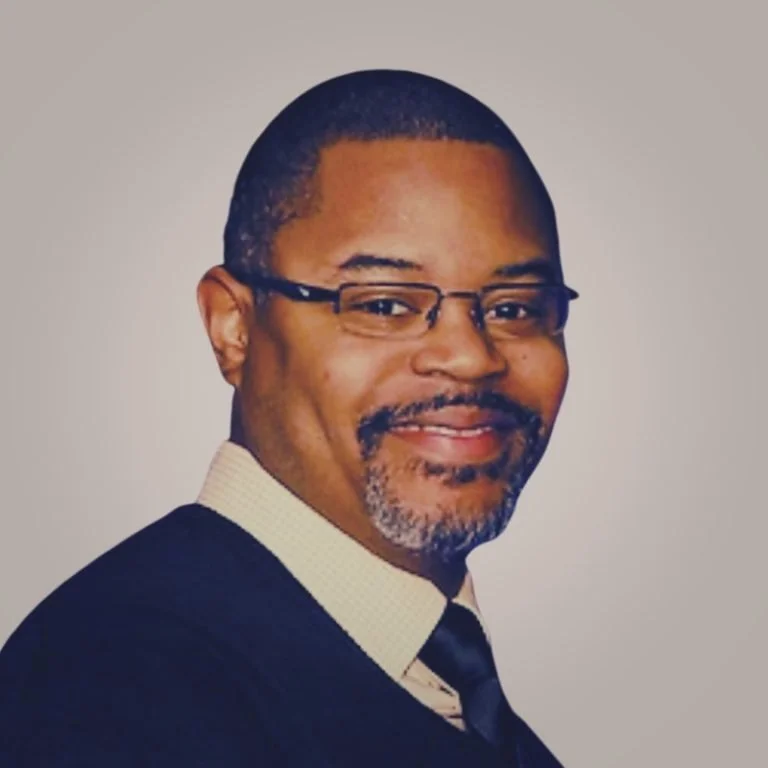
Bryce L. Williams, PT, DPT has been a physical therapist for nearly 26 years (most of which has been in home health). He received his Bachelor's of Science in Physical Therapy from Florida A&M University, and Doctorate of Physical Therapy from the University of Montana-Missoula. While in physical therapy school, he was a caregiver for his mother who was diagnosed with metastatic breast cancer (initially diagnosed my freshman year in college). He started his physical therapy career shortly after my mother passed away. Inspired by his caregiving experience and subsequent experience educating and supporting the family caregivers of my patients (usually spouses and adult children/grandchildren), he started The Meta Caregiver, which focuses on helping caregivers make sense of what they’re managing, both the visible and the hidden parts, so they can figure out what actually matters, and so they feel supported and seen. While he still does some in-home physical therapy, his main focus is supporting family caregivers through content and through 1:1 Care Strategy Sessions.