
Real Working Caregiver Stories
Actual working caregivers share their stories.
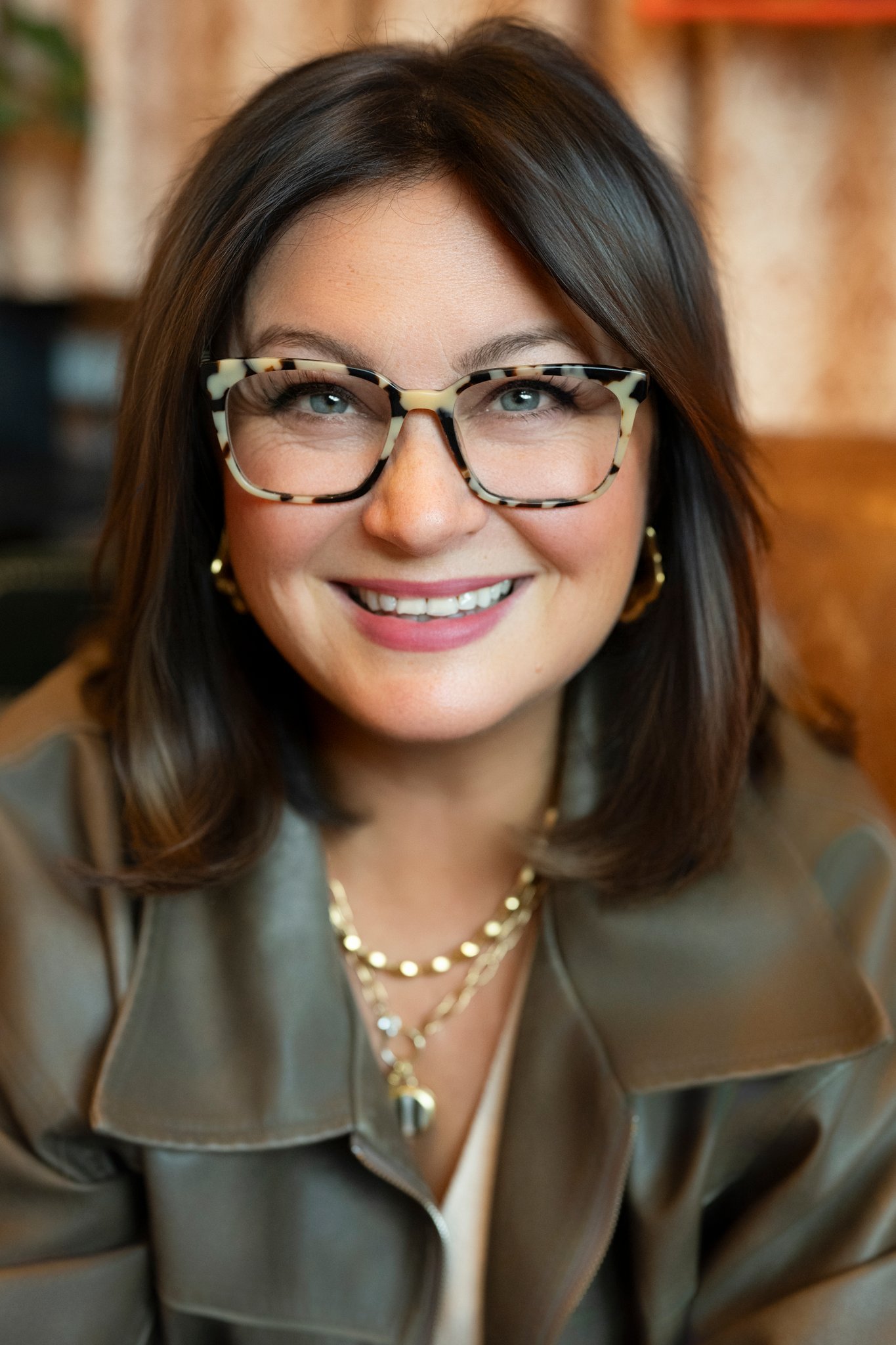
Nicole Collins 2/11/26
Zack: Hi, I'm Zack Demopoulos, and this is another episode of Stories from Real Working Caregivers.
Selma: I'm Selma Archer.
Zack: Hey, Selma, how are you doing? We've got another great guest with us today, so let's jump right into her caregiver story. Hi, Nicole Collins, how are you doing?
Nicole: Hi, Zack. Hi, Selma. I'm fantastic! Thanks so much for having me.
Zack: Thank you so much for being here. We, our listeners, our readers, really learn quite a bit from caregiver stories, as well as managers and employers, so we're really excited about hearing about your story, and also about what you currently do. So let's start with your caregiver journey. Start wherever you feel like it started, and share with us a little bit about it.
Nicole: Sure. So, first of all, I just really appreciate you having me. I think what you're doing is a real gift to supporting caregivers, and I will get into my journey right now, but I just thank you from the bottom of my heart.
My caregiver journey started during the pandemic. We were pretty deep in the pandemic in 2020. I woke up in the middle of the night to my partner, Christian, having a massive seizure. And because of the times of the pandemic, I couldn't go into the ambulance with him, I couldn't go to the hospital, it was all very traumatic. And I know that there are just so many people who can identify and were there, not being able to be with their loved ones when they were experiencing these health events during the pandemic.
So, after I was able to get there, and we were able to get a diagnosis, we got really just one of the worst diagnoses possible, which was that he had stage 4 brain cancer. Glioblastoma, which basically is a killer, and I was able to be there when the doctor gave them the diagnosis. Basically, they told him that he potentially was looking at maybe 6 months, 12 months at best, but they just really couldn't tell. My partner Christian, was just a real light person. He was the life of the party. He'd walk into the room and light up a room. He had four kids that he loved, and I just saw all light and spirit leave his presence, his being.
I'm Type A, I'm not a quitter, I'm a control freak… I was, working in an executive marketing role at the time, and I resolved that I was going to personally beat this… I just went into full-on caregiving mode, but also I was researching. I had people researching for me. I was looking at every clinical trial, every possible way of helping him through this illness. I held myself accountable to keep this vibe up for him because he was so sensitive, and he was just a gentle soul. So I took this on every day. It was my personal responsibility to keep up this vibe, and we were going to win. I don't love the battle metaphors with cancer, but just that we were going to tell a different story. That this story of the 6 to 12 months was not going to be our story, and I was not willing to accept that.
But, it was glioblastoma; there are a few survivors, and I tracked them all. I knew every single one of their stories every day. It ended up being a very difficult last year. He did beat the odds. I hate to even say it like that, but he lived about 28 months, and it was really up and down. We did so many different treatments, so I was working full-time, but also transporting him, being with him in treatment. In our last 10 days, we moved into a hospice facility, and I slept in the room on the pull-out couch for 10 days, and barely left his side for those 10 days. I was with him when he passed, and I'm just so thankful to everybody who works in the hospice. If anybody who's in hospice care ends up listening to this, I just thank you. You are all angels.
Zack: Well, first of all, thank you so much for sharing that story, and so sorry. Christian sounds like an amazing, incredible man. I love what you said about the battle metaphors. You're not the first person I've heard that from. In fact, one of my best friends, who this Valentine's Day will be his two-year departure from this physical world, always would cringe when people would say oh, he lost his battle, she lost her battle, and he would always say, “Who said I lost anything? I didn't lose anything. I didn't give up on anything. I'm trying to live. I think it's medicine that lost its battle on me, right?”
But the whole reason why you're here with us today is that you're the caregiver, and we do tend to lose a lot, especially when it comes to physically, mentally, emotionally, and financially. A lot of impact. You mentioned you were a marketing executive. So, how did that impact your work? And what did you do about that?
Nicole: Yeah, that's a great question, and of course, I like to think that it didn't. I like to think that I did a great job at everything. But it affected my work in a couple of ways. One, I will have to say, I did have a very supportive boss. My boss at the time, the CEO of my former organization, was a cancer survivor. So, as soon as I told him, he gave me as much time as I needed to do whatever I needed to do. However, although he was supportive, there was a corporate culture that most organizations have of overwork, of burnout. Because I'm a woman, an executive woman, I had this sort of corporate adage in the back of my mind that women can't be executives or leaders, and a caregiver. You have to pick one or the other, because you can't do both. And this is one of the reasons why a lot of people think that women cannot be leaders. And I'm speaking very generally here, of course. Not everybody thinks like this…
But I was really working two full-time 24/7 roles at the same time. It took a toll on just my emotional… I was overly emotional at work. I had to excuse myself from a lot of calls like this on Zoom, because I just would feel myself getting so drained energy-wise, that I was going to start crying in a meeting. That fed into my shame around trying to be a woman executive and a caregiver. It was just this really difficult cycle that I got into of overwork, trying to pretend like I wasn't overworking, so that was a major impact. And I will say, though, on the positive, after I was able to recover a little bit from the burnout, I started focusing on all of the caregivers in our organization… it gave me a perspective… that many people are caring for someone, and that… my example was extreme. I really hope that not many people experienced what I was experiencing with Christian. Having to care for children, having older relatives that you have to care for, this is all stressful. And so, I became much more attuned to the people in our organization and their needs. It was really challenging. It was a big impact for me, but I think there are positive impacts as well.
Selma: Do you feel your caregiving experience with your partner has influenced the work that you currently do around grief counseling?
Nicole: Pretty much completely influenced. Besides learning that our culture and our organizations really aren't set up to support caregivers, I also learned that we're just not set up at all to support people who are grieving. And we don't really even have cultural fluency around grief. There's a lot of bad information out there, and I don't want to point the finger at anybody. I don't want to say it like that. People really mean well when they're trying to support grievers, but they end up saying a lot of very damaging things, and that's handed down culturally. Again, it's not their fault.
The more I talk to people, or try to talk to people, I develop a lot of shame, because a lot of people told me there was a timeline, for example, and, oh, what stage do you think you are in? And, stuff like that. And so, I started not talking to people, which was very unhealthy. And I became isolated. I moved myself up to this isolated community, Rockport, Massachusetts, which is a lovely arts community, but it's tiny, and I just sort of physically isolated myself as well, just so I would have less interaction, having to tell my story, because I got so exhausted by having to take care of a lot of other people.
I started doing research on grief. I also attended some support groups, which actually made me feel worse. And so I started doing research and writing, doing a lot of processing of my grief, and it's a calling for me now. I don't want what happened to me in my grief to happen to other people. I would love to impact as many people as I can, and just let people know that your grief is normal, it's a normal process, and it really, like a lot of the symptoms and thoughts and feelings we have, just absolutely make sense. And everyone is so different. Grief, it's like a fingerprint. Everybody grieves so differently… At the beginning of 2026, I became a certified grief-to-gratitude coach, and I actually just started another program yesterday with David Kessler, who is probably the world's foremost specialist in grief. So this is what I want to do with the rest of my life, however long I have left on this earth.
Selma: We noticed that on your website, you mentioned the loss of a pet. Can you talk a little bit about your experience with pet therapy and the value it could play in the care journey with the care recipient, as well as the caregiver?
Nicole : Oh, yes. I'm so glad you asked about it. I lost our dog, Assi, who's just a magical being, and I still miss him every day. There's a ton of research out there on the internet… There are a lot of pet therapy organizations around the benefits for caregivers. A lot of the benefits are around stress reduction. There's just evidence for anybody who interacts with a pet that you can co-regulate with an animal. So, obviously, when you're a caregiver, it's extremely stressful, and your central nervous system is on high alert. You are in fight or flight for a lot of your caregiving journey, especially if you're dealing with some traumatic illness, sort of scary bodily things. So, interacting with a pet can really soothe your nervous system and allow you to rest and digest. There's a lot of research out there for caregivers, but I would say, also for anyone who is caring for someone who has… dementia or any sort of diminished cognitive function, you'll know how much agitation affects those people. And there's a lot of evidence that just the presence of a pet will reduce agitation. That can take the load off the caregiver, just watching your loved one interact with a pet, and seeing them care for a pet.
My partner, Christian, for his last few months, was almost completely nonverbal, but when Assi was with him, he would light up, and it was almost like Assi was then my partner in caregiving. So I think there are benefits for the caregiver in having the person they're caring for interact with a pet. Now, this isn't to say if you're caring for someone, go get a pet, because that's a lot of work, and you don't need any more work. But there are pet therapy organizations that you can contact, and they'll bring a pet to you. I have some resources. On Google, there are a lot of resources.
This is going to sound silly, I mean, hopefully not silly, but going for a walk as a caregiver, I think, is one of the best things that you can do, and as a griever. Getting outside, moving your body, getting out of the environment where you are providing care, and just taking a moment to breathe is so important. Having a dog will make you do that 3 times a day… I realized the benefits of having Assi were taking me out of the house, and just having a nice interaction, like a gentle interaction with him, was so positive for me. When Christian passed, I went back to my apartment, which was now without my partner, but Assi was there. I hugged him and cried on him, and he was such a source of comfort for me.
.Zack: Sorry for your loss of Assi. Sounds like you and Assi made a really good team for Christian. I'm glad Selma mentioned your website, because I love what you say about pet loss. You said, “Pets are more than just animals. They're part of a family, yet when they pass, you expect to go to work the very next day.” I'll never forget this, when I was a new, young sales rep, and my sales manager called me one morning, out of the blue. Usually, he gave you a week’s advance notice that he was going to come work with you, because he didn’t want to surprise you. And he told me, look, do you mind if I just come spend a day with you? My dog passed away last night, and he knew how much dog lovers my wife and I were. So he came, we made a couple of calls, but we went to a place for lunch and just talked for three hours about his dog. You need that, right?...
It sounds like you've brought a lot of your lived experiences into the work you're doing today. Sounds like you've really found a great role. One more thing I really like about your website, you say it's a big headline, All grief is real grief, yours included. Can you say a little bit more about that statement? Because that's powerful.
Nicole: Oh, absolutely… One of the challenges that I experienced, and a lot of people experience, is that during the pandemic, when this was happening to Christian, there was so much going on in the world. I mean, people were dying every day… the news at night would read the names of all the people who had passed that day. So then, to tell people that, oh, well, Christian's in the hospital, it just seemed very, it wasn't in proportion to the massive loss that was going on. So, I felt sometimes shame sharing what was going on.
And especially right now, there's so much going on in the world that if you lose your dog and you feel really sad, it's sometimes hard to say to other people, hey, I lost my dog, I feel terrible, and they're like, well, at least you're not in a detention center, or at least you're healthy and there's always this “ at least you….” It shames the person who's feeling the grief. I really want to give people the space to take up that space with their grief. It's very natural to grieve, and if you suppress the grief, it's very unhealthy. So, despite what's going on in the world, your grief is real, and you get to take up space with your grief.
Zack: Selma and I, in the work that we do here, have learned that, and I never knew this before, but there's grief associated with you as a caregiver role, and I imagine you may have experienced some of that after Christian passed… Can you give a tip or two for a caregiver who may be going through caregiver role grief?
Nicole: Yes. Oh my gosh, so many things. I mean, I hate to say it, but the walking exercise, just even if it's 5 minutes, just get outside, get some fresh air. But I would say another thing that was really difficult, and I experience a lot of grief around, is that sometimes the people who you want to support you are not the ones who ultimately can support you. And it's really a tough lesson. I'm sure you both know about this, but there are people in your lives that you're very close with, and then when something like this happens, and you keep asking them to show up for you, but they just are not able to. And so, my challenge was that I just kept asking, and I didn't get the message. They just couldn't do it, and it wasn't personal to me. They were unable, and so I needed to find support elsewhere, so I would really tell people, I think one of the biggest things is to just let other people support you that you didn't think of as your major support. We all think we have maybe our siblings, or parents, or best friends, and then sometimes those people just can't step up for whatever reason. But then someone from your church or someone from your workplace is just really equipped to help, and they want to help. I would just say to caregivers, let those people in, because you'll get really amazing gifts, and you need support.
Zack: Great advice.
Selma: Absolutely. That kind of goes into the next question. If you look back at Nicole before her care journey with Christian started, what advice would you give her to prepare for the journey?
Nicole: Now, this is again a difficult lesson for me… You can only control the way that you react to something. You can't control an event. You can't control someone's diagnosis. You cannot control the outcome of someone's disease. So, for Christian, I was trying to control every bit of his environment. And it just had a massive cost on me. And I realized, maybe about a year before he passed away, that I needed to relax some of my military requirements for his diet and his care, because there's quality of life… for example, I was telling him he had to be on the keto diet, because there is some research for some brain cancers that a keto diet can be very effective… I had decided that we are doing keto, and… he wanted to comply, because he wanted to make me happy, because he loved me. I was… trying to control every detail of his care. I think I created a lot of misery, and hindsight is 20-20, that didn't need to be created. So I would just remember the adage of, you can only control… yourself, and your reaction…
Zack: Oh, you've got to give yourself a little bit more credit than that. I think you're less a control freak and more of an effective controller… We’ve got to wrap up, but please, let's finish with you sharing with a working caregiver right now, who's either reading this or watching this, what is one way that you, as a coach or counselor, could help a working caregiver today, and then how can people find out more about you?
Nicole: Absolutely. So, I think the key thing, how I could help working caregivers, is, and I would have loved this for myself, is to start preparing for grief, because when you are caring for someone, especially if they have any cognitive decline, you've already lost that person. So you're experiencing a lot of grief while you are having to caregive. So you've lost some of your connection, and you're grieving that. I can help support caregivers dealing with the grief that's kind of ambiguous grief, because the person is still there physically, but a lot of the connection and the activities that you did together are no longer there, so there's grief there. And then when you're caregiving, you are working and working and working until the day that the person transitions, and all of a sudden you don't have a job anymore, and they are gone, and it can be very disorienting for people. So I can help caregivers prepare, have some things in place that will help them… you can’t escape grief, you don't want to escape grief, but there are ways to set yourself up for a more healing, supportive process. And then I have a website, it's just nicole-collins.com. I also have a Substack called Griefish, which I write. I've used writing a lot to process my grief. A lot of people use music and all sorts of creative ways of expression, and I really want to encourage people, as caregivers or people who are grieving, to use any sort of creative form of expression you can to help yourself process grief. So definitely check out my Substack, and I'm happy to do a free discovery call with anyone interested. I'm happy to talk to anybody about grieving or caregiving.
Zack: Look, you got both down. I tell you what, Selma, I'm going to start using what Nicole does more often when we talk about the three P's of a caregiver journey -- plan, provisions, and people. So we talk about that a lot. We need to add you to the plan. We need to add you as a provision and definitely as a person to talk to during the caregiver journey. It doesn't mean we're admitting that someone is going to pass before we want them to, right? I get it, but wow, what a critical role you play. What an honor to have you join us and share what you do. Thank you.
Selma: Absolutely. Thank you.
Nicole: Glad to be here. Thank you so much.