
Real Working Caregiver Stories
Actual working caregivers share their stories.
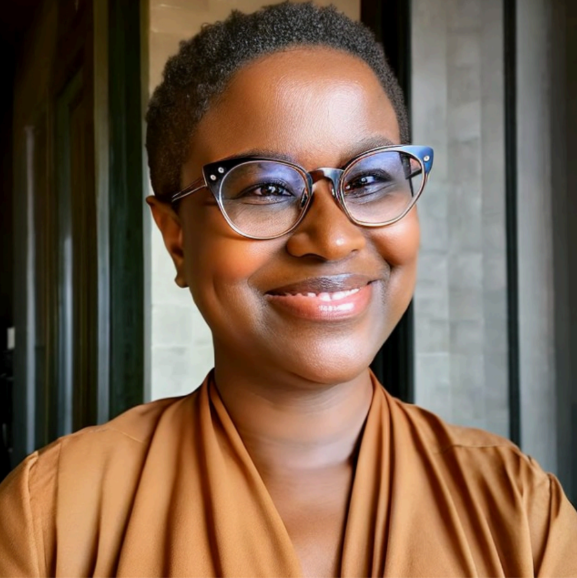
Randi Ervin 1/27/26
Selma: Welcome everyone. We're so excited to have you here with us today on our series, Real Working Caregiver Stories. I am thrilled to introduce Randi Ervin, who I met in November at the Working Caregiver Summit in D.C. Randi shared her caregiver story with our team… Randi happens to be the first guest that we've had on our show who has had both sides of the care experience. She was a care recipient when she became ill, and her mom cared for her. And then her mom became ill, and Randi ended up being a caregiver for her mom. Randi, could you share that story with us?
Randi: Okay. Thanks so much for your introduction, Selma. And I'm happy to be reconnected, and I'm happy to be with Zack too. So thank you. Okay. So, in 2016, I was diagnosed with pancreatic neuroendocrine cancer. I went in for a procedure… after the whole procedure, my mom stayed with me… So she literally slept on my couch and gave me the feeding tube, administered there. I don't know if y'all don't know, the Whipple is crazy. I lost a pancreas. It's a whole mess, but there's a lot of shots. There's feeding tubes, all the GI issues that you can imagine. So she was a trooper and she took care of me…
And then in late 2021, she was sick around the holidays, couldn't hold down food, was throwing up, and didn't admit it to anybody until she had an episode… My dad had to take her to the emergency room… And that started like a harrowing kind of journey… at the local hospital there outside of Lodi, California. She eventually went to the VA where she felt more comfortable. At the VA San Francisco, her all-woman care team determined that she did have pancreatic endocarsanoma. So, the more aggressive form of pancreatic cancer.
She did say her daughter had pancreatic neuroendocrine cancer, and from there they were able to further figure out what happened. Then she had a Whipple procedure, and to pay it forward, and because my sister lives in Oakland, not so far from me, I live in Oakland, it's close to San Francisco. She stayed back here with me during her recovery because, feeding tubes, shots, finger pricks, the whole thing.
So I tried to take care of [mom] here… but I do want to say caregiving is not linear, and it took a whole village. My aunts were there all the time. My aunt Mumby lives in front of my mom back in Campo. That's outside of Lodi. She was there. We would have phone calls regularly. Aunt Belle, back in North Carolina, would call us. We'd literally have regular phone calls. We had an ongoing Google document. My dad was... Oh, gosh. They'd been together since the 70s... And he saw her sick, right? He saw her lose weight. He saw the whole thing.
So we're there. And then my sister can cook. So she prepared food. She came; she was testing things. She had smoothies, Conti, anything that would work. She came over every single day to work. So I think that's something in terms of caregiving, it is a bit like not linear positions change, right? Like mom was like me, of course, she was mostly gonna stay with my dad back in Campo. And so the journey was always helpful, right? Like my aunts were coming in, we were checking Google, we were asking questions, emotional support to like ground us, but then also tactically because it's too much information for one person to have… Like it's a lot of coordination, right? So you're going from one county to another county, being like, no, she doesn't live here, but she's staying here. And then, she was considered kind of in a spot that was good. Um, my parents said that the cancer was gone, so she was okay, but it's aggressive. So you knew it was going to come back. And I remember… because I'm familiar with pancreatic cancer, being like, if it comes back, we're screwed… so then the cancer did come back at the end of 2022.
My parents kind of lied to us about it. They were like, oh, we can't get the appointments and like the scans, that's not how hospitals work. She got second opinions at like various UC Davis agencies. She was actually moved into hospice care eventually. And then she was moved into a respite facility near her end-of-life. And she passed away in March, 23… I'll say something my mom did that was amazing, was she was like, you've got two people with pancreatic cancer in the family, genetic reporting, let people know… this is real now. And so of course I've got cousins and aunts and family members being like, okay, they know the journey…
Zack: You guys have the most unique story I've ever heard. It's incredible what you just shared with us. It really is. What's your mother's name?
Randi: Willie. Willie Gertrude Bunting, and then became Willie Bunting Ervin. That is also my grandmother's [name] Willie Gertrude.
Zack: Willie sounds like a lot of fun. So you said comic book store. You got my attention. Who's doing the comics, you or Willie? Who's going to shop for comics? Excuse me, but that's interesting.
Randi: So my mom's a reader. She grew up in the library club, found out in her high school. And I did not read growing up, so she would always try to find things that I could read… When I was a little kid, she would get Archie comics and stuff. She's like, this is the thing you'll read… but then later in life, I got interested in Batman, kind of independent of her. I was reading Batman comics and like all that stuff, so we go to the comic store… she was like, oh, I'm interested in comics too.
Zack: How are you?
Randi: Can I get a photo of her real quick? This is my mom and my dad. And this is my favorite photo of her because it's a little bit scandalous.
Zack: Share with our viewers exactly what Whipple is, because I don't think a lot of people know how unique a surgery that is.
Randi: Oh, yeah. Am I going to do good I just remember my surgeon, like Dr. Spitzer, so essentially, it's kind of a rewiring of your GI system. I'm not going to immediately understand this, but I remember saying, I know what the stomach is, and I know what the intestines are. And then he basically erased half of that patch the intestine to another part of your stomach.
Zack: Today in our country, we are dealing with a caregiver crisis, right? So there are so many, many people turning 65, 10,000 every day, actually even more now, right, Selma? Like 11,000 every day are turning 65. But one of the biggest complaints and concerns in this country is that people are being discharged from hospitals, and family members are picking up some of these complex duties like post-whipple procedures. How did your mother pick up on that? You mentioned that you had some help, but how did your mother manage that? And then how did you manage that in terms of that complex post-op care that's needed for that? That's complicated.
Randi: Yes, that's where it takes a village. And I definitely think that caregivers need to be added to the HR. I think we need to be very intentional about the discharge and not about the logistics, about the actual motion burden. I will say, my fixer is a Kaiser. And I don't think I appreciated how much went into this. They had in-person training on the feeding tube… I was readmitted to the hospital because… my pancreas was removed. Like a lot of things happened with me. And so I was kind of a needy patient… we both had in-home care. So we actually had nurses come to our homes afterwards, which was huge.
On my mom's side, my sister and I were both trained on how to use the feeding tube. And luckily, there was familiarity because my sister was somewhat familiar with it. And then I was familiar with it because I was a patient. I will say the thing that was delightful, we talk about this like meet patients where they're at, and these living room conversations, like the lady who trained us. It was a different county, right? So they found somebody in Alameda County versus San Joaquin County. She actually came to my sister's condo building and met in the lobby, and we walked through it. We took notes. She's very, very accommodating. Kaiser had check-ins for you. We had a lot of just hands-on.
I do think the things that were a little different were... You have like... So this is hard to tell. So, my mother's discharge, I don't think was handled well. There's some guilt here, right? We knew she was getting discharged on a certain day…This is like when you have to prep your home, right? So that's another thing where like, don't, we knew that, so I was working on my old notes… We were doing a lot of prompting like, yeah, we need a raised toilet. We need assistance in the shower, and we need to have different kinds of padding in the beds… You need space. You literally do need a space by your bed. I just remember all this stuff. Just so you can do… there's shots, there's like sphincter pricks, you've got to have space for the actual holder for the IV for the pump. And I remember at my time too, there was a lady who passed a store, her name was Michelle at St. Mary's, but she told me things like get a long cord to charge your phone, make sure you have all this seat cushion. So it's like using all these informal networks, but they're important.. And it was just like all these details, and a list of medications. It just wasn't like my mother had her medications. It just wasn't contextually logical. You could go back to it, but it was not super organized. It wasn't friendly. You know, it was obviously very probably Lawyers loved it, probably legally proceeding great…. we did have walkthroughs eventually with it.
But in hindsight, you're talking to my sister who takes notes on top of notes and uses all of the resources, and it's like a sponge. You're talking to my dad, who's smart, like a super smart, but emotional, and looks at the logistics. You're talking to my aunt Belle, who actually has been a caregiver for other reasons for two, like these are all of us on the same call, who understood what happened. And you're all on the same call. We're getting our questions answered, we're prompting them on a lot of this stuff, right?... what we're supposed to be doing…
And then I remember at one point… us doing this whole project of being like, because we knew there were bad interactions, because my mom had some medications beforehand that she was using. She had high blood pressure, a kind of long-term thing she was doing. And then she has these new medications, and we're like, nobody ever walked through interactions or spacing or timing. And we knew this was supposed to be a thing… but this is us Googling and like us going through forms. We don't think this is right, but it was so much prompting to just be like, yeah, but she's got to wait this long after her thyroid medication because she has Hashimoto's? Why didn't you all tell us this?...
Zack: Shout outs to our previous guest that we've interviewed who are working on AI tools just for things like this. Nicole aBeckett and Brittany Hogan that we interviewed are taking their caregiver experiences and helping the caregivers. One other quick question, because we really want to take advantage of the fact that you were a care recipient. So just briefly, if you could give us two to three tips as a care recipient to caregivers watching this. And this is no criticism of Willie or anybody else that was caring for you just think about your experience. What are two to three tips that caregivers should always keep in mind when caring for someone?
Randi: That's a big question. So I'm going to say care needs coordination is huge…don't undervalue that and own that you're doing a lot. So that's huge coordination. Caregivers, you're constant. So I think that's something as a care recipient I did not realize. You're there all the time… It's constant, but you guys are going to need care too, because it's not going to stop. You're going to be a caregiver. Great advice for the duration of my life and probably beyond that, because people know that you have the tendency to do that. And then with my mom, caregiving was harder than being the care recipient. I think caregiving is probably the hardest thing I'll ever do in my life, because… as the care recipient, I have come to peace with the outcome, right?...
Selma: When you and your mom were going through your care journeys, were either of you working? And if so, how did your employer play a role, or did they play a role in supporting you?
Randi: My mom was retired. I think that was great, selfishly for me. And the place I was working at the time was fantastic. I did not realize how much, like I remember getting a call from the head of the department, like the chief development officer. She was in touch with my sister. My main boss was in touch with my sister. They were calling more because my surgery ran over…
… the diagnosis takes a lot. You've got scans and blood work, the amount of time to just get to a diagnosis is a lot. That's a lot of time away. It's money, and it's time away from your job. And then once you figure out what to do… You've got biopsies, you've got a lot to do before you even get to the solution. And then after the solution, it's a lifetime thing. I did not take -- you always want to go back to work sooner. That's dumb. I should not have done that. I tell everybody, take three months, take like three and a half months or four, but I didn’t. But when I got back… this is pre-COVID, I remember I worked from home on Wednesdays. There was like a nursing room for mothers, but I could sleep in there during the day. If I were tired, I could take walks. So I was incredibly lucky and accommodating…
I remember pulling myself away from an all-hands meeting and slowly going on mute, talking to this person on the phone, and just sheer frustration because it was like a 40 minute conversation. So I was grateful that he took the time to call me. But I was also like, I remember being like, there's no solution here… I don't have 40 minutes in the middle of the workday. I remember putting on my calendar, I put in the injection schedule for my mother and the feeding schedule, so it would be blocked off. So people wouldn't schedule over it. So my coworkers were amazing. They allowed this to happen…
Selma: For anybody in our audience who may be HR or employers, if you had to pick one thing that your employer did during that really difficult time that you were working, you were sick yourself, your mom was sick, you were trying to do it all, you had on all these hats… What do you want to make loud and clear to them that was…the most beneficial to someone going through a care journey like you went through?
Randi: They walk me through my rights. I went down to HR, and they scheduled two-hour-long meetings where I got to understand what disability looked like, what medical leave looked like. And they were frank and honest about the law, which I don't think is something a lot of people can handle. I live in California… that becomes very important, right? We've got pretty good employer rights here. So that might not be the case. So, knowing your rights, or offering like EAP or some third-party assistance, so that people can understand what rights they have.
And also for HR, and this is also for people's direct bosses, and [those] in the chain of supervision, there's the acute moment of care, right? When you know, there's the discharge or when they're out of the hospital, but then there's all the steps leading up to it. And then there's the continuous maintenance and surveillance that I think we forget about in the healthcare system, right? They think it's like two months of intensity. And then, we just forget. And so I think there's a point in which you have to see the full journey. Caregiving takes a village. It's also constant, right?
So, you have to go to appointments, you have to go to follow-up appointments, you have to get scans, you have to get blood work, you should be going to grief counseling, you should be doing all the mental health stuff too, right? You should have therapy appointments. So it's something where it's like, understand the full journey and understand that it's not clustered, it's not acute, right? And for two years, you probably are going to need two hours a week just to mentally, and that's not even enough time…
Both journeys have made me an acutely better employee just because I have way better understanding of what's in the room. I understand how context works, and understand better how things are interconnected. I understand that there are many components and not just an outcome. So you gotta work with us.
Zack: What are you currently doing?
Randi: So I work in marketing, actually in growth marketing. Right now, I speak of organ tech, but I was just laid off again. So let me be very honest. I am looking to continue, but I liked where I worked before because of the patient advocacy piece. I was able to work very closely with patient advocacy groups. So speaking of impacting my journey, I went from fundraising, like direct response fundraising. And the nonprofit space later on, I moved into growth marketing. So like all those ads and the emails and the things. And then my last role was definitely working with patient advocacy groups to create ready-made tool kits so they could encourage their very specific people in the rare disease community to join the platform.
Zack: What skill sets would you say that you pulled from your caregiving experience to do things like marketing and creating patient advocacy materials? The reason why this is also important, Randi, and why we appreciate this is that we try to encourage caregivers when they have a gap in their resume to list their caregiving experience and to list these caregiver skills. What would you say are some that have really helped you do what you're doing now, or what you were doing?
Randi: Oh, yeah, that's actually a great question because when I was diagnosed in 2016… I was the person who like those end of year campaigns, the Giving Tuesdays, that's what I did. I had on a digital side, right? And I think after I became a caregiver… the planning was so much better, so much more acute, because you actually have to list and plan out a little bit more. You're not in the hyper moment. So that's something as a caregiver, you are a project manager, a good one because it's life or death. So you learn how to project manage, you learn how to create, you learn how to do things. So like, you know, the marketing, we're creative, but you actually have to actually do it.
Another thing is your resource allocation, because to get the information to be a really good caregiver, right? So we're going back to when I was working at the FinTech company I was working at, you actively rely on other people to help guide and to understand. So it's beyond project management, right? It's like stakeholder management. It is like resource allocation. It's also using networks and partner organizations. You probably reached out to nonprofits, you probably worked with the patient advocacy group yourself to gather information that actually led to change in action, or led to outcomes and impact, and better impact.
Another thing… I actually understand all that medical jargon. I actually understand insurance stuff … it's really complicated. But as a caregiver, your knowledge of just medical stuff is significantly more advanced… And that's the ability to learn a new industry… I'm from nonprofit to fintech to healthtech… I can learn about different industries and different regulations and standards because I had to… this is like a sheer thing you have to do.
Zack: I am so glad that Selma met you at the Caregiver Nation Summit. Shout out to Jason Resendez as in the National Alliance for Caregiving, and the great work they do. I have to ask, why did you decide to go there, and what would you say changed you coming back after the experience? I'd be curious to know, did you pick up another great experience that kind of impacted you? Why did you go? And is there something that changed you a little bit after you came back?
Randi: I had a moment that Selma walked me through during Hill Day where I was very hyped up about one thing. And I was just kind of like, oh my gosh, why? I got flustered. And both Nicole and Selma kind of walked me off that… being able to get to the point, the fine-tuning of the point, and seeing kind of what's happening, but like, let that land. Like that was fantastic. And so I'm definitely taking that home, in terms of like when I talk. The reason why I actually went to that conference was that I was speaking on a panel, and they reached out to me about speaking on a panel about essential partnerships. And it was around caregiving and how to really integrate and change the systematic approach. That had a great panel of people from like Northwell, and it was a very good panel. And that's why I attended it. But the connections I also made and just in terms of before I really spoke from a patient perspective, and I hadn't spoken a lot from a caregiver perspective. And that caregiver's perspective, what I learned from Selma on Hill Day was just that grounding.
People need the nuggets of like, this is the action. And especially in terms of policy and just systems management and infrastructure. So, not like I think on Hill Day, I learned humans are good, right? We understand that we need each other. We understand emotion. We understand support, and we want to help but people also need direction on how to help, right? Because you can be compassionate, you can show, you can do the sad face, you can show that you love something, but you don't change the system or the infrastructure, nothing's going to move forward. And so being able to pinpoint that and be like, no, this is actually the solution, is huge. So then that from Selma on Hill Day and that conference itself, because that conference was all just about like tactical change, right? Not like, not emotion, but change.
Selma: I have to say I was so pleasantly inspired and encouraged by seeing so many of the skills that you mentioned in your care journey come out during that advocacy period that we had on Capitol Hill. And I'm hoping that you have that information in your LinkedIn profile… because you have so much to offer to the next employer and you don't want to be overlooked. One last question: how can your future employer get in touch with you, and how can our audience learn more about your story and the work that you're interested in doing?
Randi: Yeah, so LinkedIn, so Randi Irvin, I am on LinkedIn. And I am more than happy to provide my email, I'm probably better with email: Randy@randiervin.com. So I think it's in there. So you guys are more than welcome to email me. I like to stay in touch with people. I'm taking notes of like, I'm trying to, a thing that I learned with my LinkedIn, I actually am trying to add more voice to just to like the experience and the journey. And I will say, I do volunteer for pancreatic cancer reaction network. I've been on the survival council for several years, and I help out the local affiliates. There's a lot in this space that there's a lot of support in the space, and now I am looking to just bridge it more so that we can actually have tangible change.
Selma: Well, Zack and I are so happy that you made the time to be here today and share so much valuable information. As I said before, when we started, you were the first guest who walked both sides of the journey. So thank you for coming and sharing that experience with us.